Explore Upland Outdoor Lifestyle Homes and Foothill Living
July 23, 2026
July 23, 2026
If you want a Southern California lifestyle that feels active, scenic, and a little more grounded in everyday livability, Upland deserves a closer look. For many buyers, the appeal is not just finding a house. It is finding a place where mountain views, usable outdoor space, and easy access to parks all shape how your day feels. This guide will show you how Upland’s foothill setting influences neighborhood character, recreation, and housing choices so you can decide whether it fits the way you want to live. Let’s dive in.
Upland describes itself as a foothill city nestled along the San Gabriel Mountains. That backdrop matters because it shapes more than the view from your driveway. The city’s community character planning points to mountain views, tree-lined corridors, and historic architecture as key parts of its identity.
In practical terms, that means the outdoor lifestyle in Upland is woven into daily life. You see it in the visual connection to the foothills, in established streetscapes, and in neighborhoods that often feel designed around both homes and open space.
One reason buyers notice Upland is the way the foothill setting creates a strong sense of place. In many parts of the city, the mountains are part of the everyday backdrop rather than a once-in-a-while destination. That can make simple routines like walking the dog, heading to a park, or sitting on a patio feel more connected to the landscape.
The city also emphasizes preserving community character through features like green space, varied setbacks, and landscaping that complements the home. For you as a buyer, that often translates into neighborhoods where outdoor areas feel usable and integrated, not like leftover space around the house.
Upland’s park system adds real substance to the lifestyle story. The city highlights amenities like BBQ areas, picnic tables, playgrounds, restrooms, sports fields, and dog-friendly features, and many parks can be reserved for gatherings. That tells you parks here are not only for exercise. They also support family time, casual meetups, and everyday routines.
Here are a few city parks that stand out:
Baldy View Park includes a dog park, BBQ areas, picnic tables, a playground, and restrooms. Its mix of amenities makes it a practical option if you want a park that works for both quick outings and longer visits.
Greenbelt Park includes ball fields, BBQ areas, picnic tables, a playground, and restrooms. If you like having space for sports and casual outdoor gatherings, this park helps support that kind of day-to-day lifestyle.
Memorial Park spans 40 acres and includes ball fields, a basketball court, a skate park, picnic areas, a playground, restrooms, a rose garden, and the Upland Animal Shelter. It offers one of the broadest sets of amenities in the city, which makes it useful for households with different interests.
Olivedale Park features a universally inclusive playground along with ball fields, BBQ areas, picnic tables, picnic shelters, a playground, and restrooms. For buyers who value accessible community amenities, that is an important detail.
Upland’s outdoor appeal is not limited to parks. The city’s land use planning identifies both the Pacific Electric Bike Trail and the Southern Pacific Trail, which help create a more bike- and walk-oriented feel than you might expect in a suburban setting.
That matters if you want options. A trail corridor can support a morning bike ride, an evening walk, or a more active weekend without needing to drive to a recreation area first. It also adds to the sense that outdoor access is built into the city’s layout.
If outdoor living is high on your list, Upland’s housing mix is worth paying attention to. According to the SCAG local profile, 57.5 percent of the city’s housing stock is detached single-family homes. Another 6.3 percent is attached single-family, while multifamily and other housing types make up the rest.
That housing pattern helps explain why many buyers see Upland as a place where yards, patios, and private outdoor areas still play a big role. The same profile notes that 34.5 percent of the housing stock was built before 1970, which helps support the presence of mature landscaping and a more established suburban feel in many neighborhoods.
Not every part of Upland offers the same kind of outdoor setup. The city’s housing element explains that its more rural RS zones have the largest minimum lot sizes and lower lot coverage standards, reflecting historical land-use patterns and topography. Minimum lot sizes in RS zones range from 4,000 to 20,000 square feet.
For you, the takeaway is simple. If you want more yard area, more breathing room, and a stronger foothill-style residential feel, some low-density single-family areas may offer more of what you are looking for. If you prefer lower-maintenance outdoor living, other parts of the city may be a better match.
Upland’s land use map shows foothill-adjacent areas with low-density single-family designations such as SFR-L and SFR-M. Those designations help explain why some parts of the city feel more spacious and traditionally suburban.
At the same time, Upland also includes several specific plan neighborhoods near Foothill Boulevard and nearby streets. This gives buyers a broader range of choices, from homes with larger private outdoor areas to communities that may emphasize shared recreation space and easier upkeep.
The city has 12 adopted specific plans, including Enclave, Foothill Benson Terrace, Foothill Walk, Park View, Spanish Trails, Upland Hills Country Club, and Wyeth Cove. These communities matter because they can offer a different version of foothill living than a traditional larger-lot neighborhood.
For example, the Enclave Specific Plan covers about 19.04 gross acres and allows up to 350 single-family attached and or detached homes with multiple recreation opportunities. Spanish Trails covers about 4.75 gross acres and allows 39 single-family detached units on individual lots with on-site recreational amenities. Upland Hills Country Club is described as a roughly 215-acre planned community with about 612 residential condominium units at a gross density not exceeding 3 dwelling units per acre.
If you are comparing lifestyle options, these planned communities may appeal to you if you want outdoor access without taking on as much yard maintenance. That can be especially useful for move-up buyers, relocation buyers, or anyone looking for a lock-and-leave style setup with shared amenities.
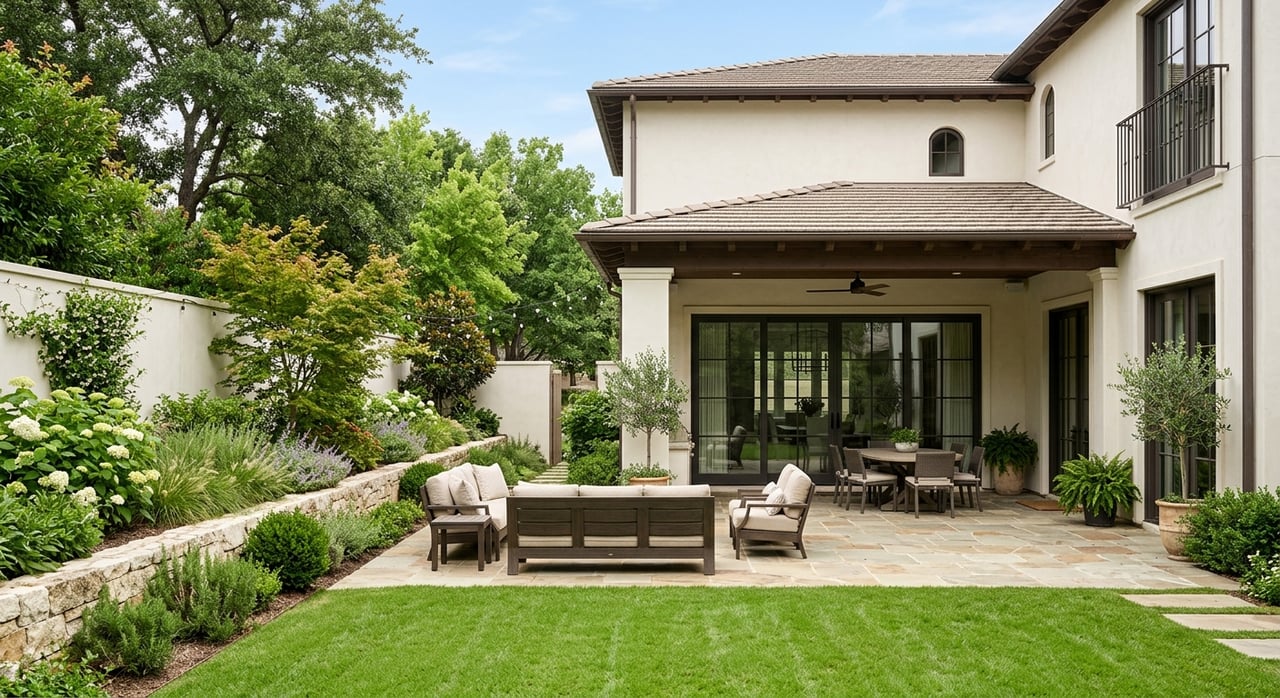
Outdoor lifestyle is not only about lot size. It is also about how homes relate to porches, patios, side yards, landscaping, and the street. Upland’s historic resources inventory shows a broad mix of architectural styles, including Craftsman, Spanish Colonial Revival, Mission Revival, American Colonial Revival, English Revival, Monterey Revival, Shingle Style, American Foursquare, and Bungalow examples.
That variety gives parts of Upland a more layered visual character than you might find in a newer, more uniform subdivision. If you value homes with personality as well as outdoor space, this mix can be part of the appeal.
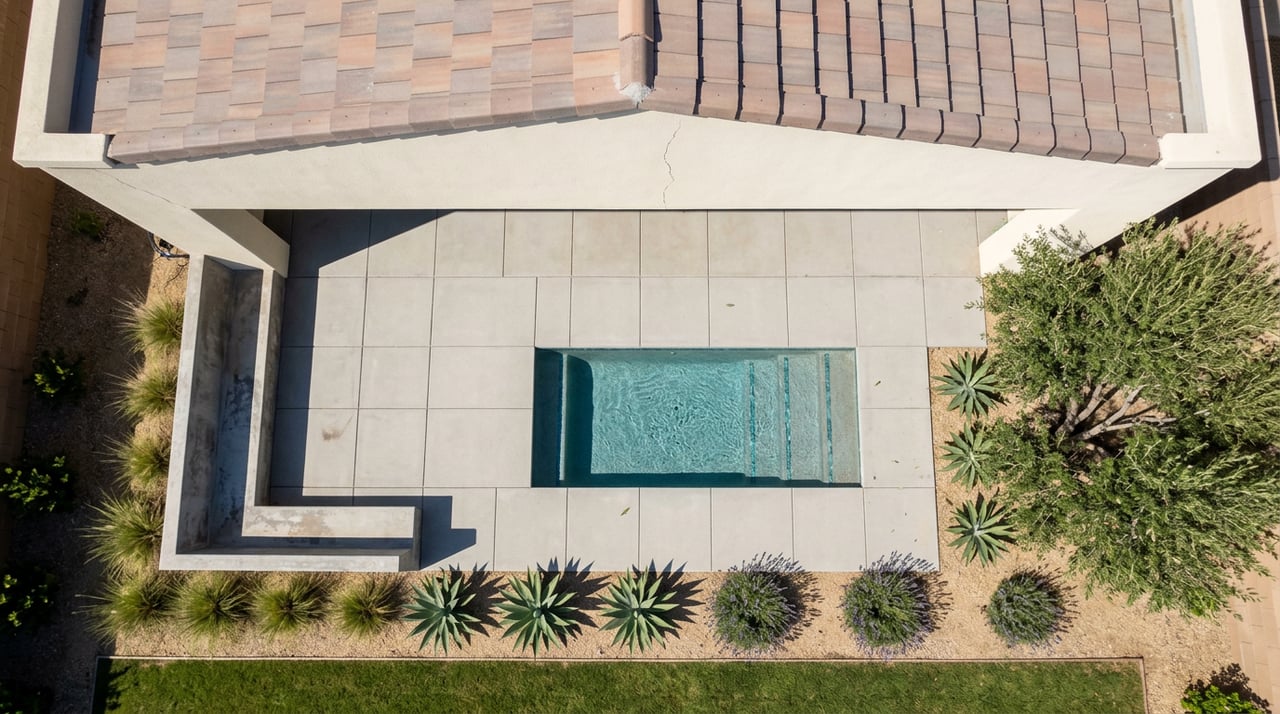
The city’s community character guidance emphasizes green space, varied setbacks, California-friendly landscaping, and privacy-oriented fencing in side and rear yards. Those planning priorities help explain why outdoor areas in Upland often feel intended for actual use.
Instead of treating the yard as an afterthought, this approach supports spaces that work for dining outdoors, gardening, relaxing, or creating a more private buffer around the home. For buyers, that can make a big difference in how a property lives day to day.
Upland offers a blend of older housing stock and newer development patterns. That mix can be helpful if you are trying to choose between charm and convenience. Some buyers want established neighborhoods with mature landscaping, while others prefer newer communities with more predictable upkeep and shared amenities.
The city’s pre-approved ADU plans also reflect Traditional, Craftsman, and Spanish styles, with required side and rear setbacks of at least 5 feet. While every property is different, this detail reinforces the city’s broader design language around usable spacing and compatibility with surrounding homes.
When you compare Upland with other foothill communities, it helps to define what outdoor living means to you. Some buyers want a larger yard and more privacy. Others want a patio, nearby trails, and access to parks without the workload of maintaining a large lot.
A practical way to start is to separate your search into two broad categories:
That framework aligns with Upland’s actual zoning and planning patterns, which makes it a smart way to narrow your search.
Census data shows a 57.1 percent owner-occupied housing unit rate, a median owner-occupied home value of $739,400, and a median household income of $105,830. Those numbers do not tell the whole story, but they do suggest a city where homeownership remains an important part of the local housing picture.
For many buyers, the bigger takeaway is lifestyle fit. Upland’s outdoor appeal comes from the combination of foothill scenery, city-maintained parks and trails, and housing options that can still provide usable yards, patios, and neighborhood green space.
If you are trying to find the right foothill community, Upland stands out because it offers more than one version of outdoor living. You can look for a larger-lot home, a planned community with shared recreation, or an established neighborhood where mature landscaping and mountain views help shape daily life. If you want help matching your lifestyle goals to the right part of the market, Carlos & Pat Samuelson and Associates can help you navigate Upland with local insight and a practical eye for value.

Whether you're a first-time buyer, a seasoned investor, or looking to sell, you can trust Carlos and Pat to go above and beyond to achieve your goals. Your real estate journey deserves experts who care. Let Carlos and Pat Samuelson guide you to success!