Thinking about buying in Claremont and not sure where to start? You’re not alone. Between the Village, the foothills, and the college-adjacent blocks, each pocket offers a different pace, home style, and price tier. In this guide, you’ll learn how the city is laid out, what living in each area feels like, and the practical trade-offs to consider as you narrow your search. Let’s dive in.
Why Claremont stands out
Claremont sits along the San Gabriel Mountains at the east edge of Los Angeles County. It is known for a charming small-downtown feel, mature trees, and an active cultural scene anchored by the Claremont Colleges. Many buyers choose Claremont for its blend of suburban comfort, trail access, and a walkable core.
You can commute by car on regional arterials or use the local Metrolink station for some trips. Schedules and travel times change, so check current transit websites as you plan your routine.
How this guide is organized
Neighborhood names in Claremont are informal and can vary by resident or broker. What matters most is how each pocket lives day to day. Below you’ll find quick snapshots framed around walkability, elevation and views, historic character, and relative value.
Neighborhood snapshots
Claremont Village and Downtown
- Character: Walkable core around Bonita Avenue with cafes, restaurants, boutiques, galleries, and regular community events.
- Housing: Bungalows, small-lot single-family homes, townhomes, condos, plus some newer infill near the core.
- Best for: Buyers who want a car-light lifestyle and easy access to dining and arts.
- Price positioning: Generally a premium for immediate walkability; lots are often smaller.
- Trade-offs: More pedestrian activity and event traffic on select blocks.
College-adjacent streets
- Character: Blocks within walking distance of the Claremont Colleges with frequent pedestrian life and campus events.
- Housing: Older single-family homes, duplexes, small apartments, and rentals; some owner-occupied homes with potential income opportunities.
- Best for: Investors, faculty and staff, or anyone who wants a college-town energy.
- Price positioning: Mixed. Certain streets carry premiums, while rental-heavy sections can be more attainable.
- Trade-offs: Mix of uses and more turnover on some blocks.
Historic core and Smiley Park
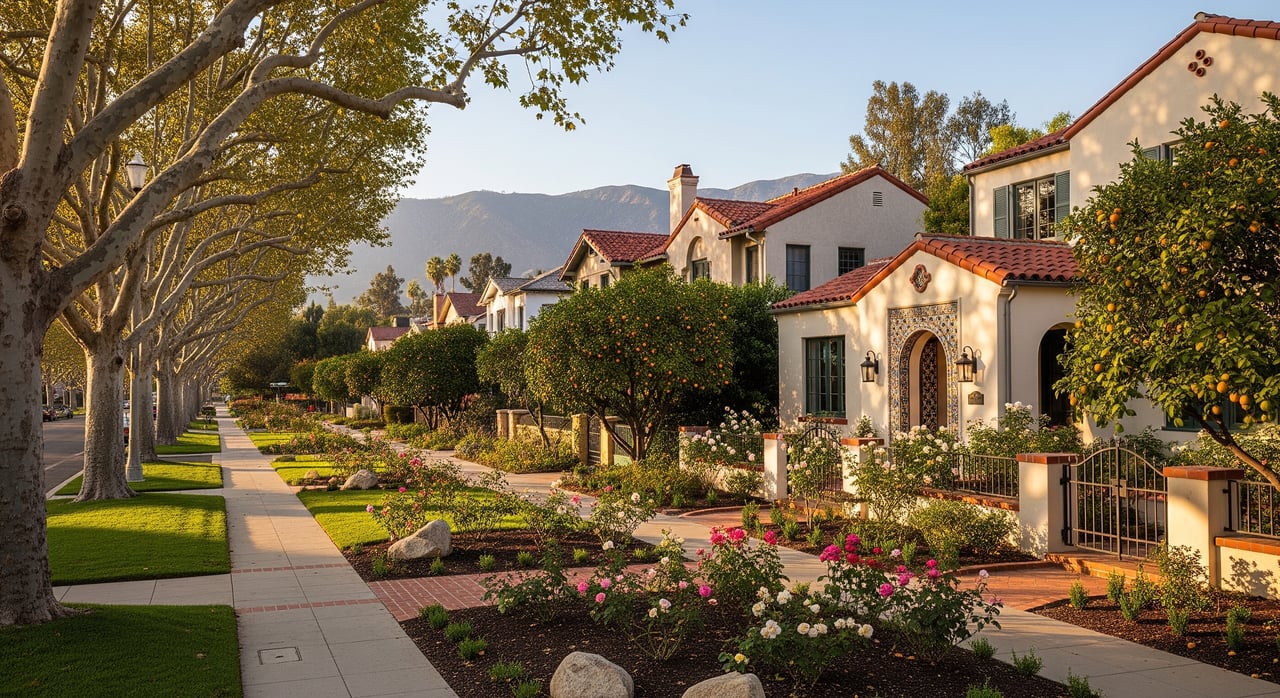
- Character: Tree-lined streets with early 20th-century architecture and a classic small-town feel close to downtown.
- Housing: Craftsman bungalows, Spanish Revival, and Victorian-era homes on smaller lots than the foothills.
- Best for: Buyers seeking architectural character and proximity to parks and services.
- Price positioning: Strong demand for well-preserved or thoughtfully renovated homes.
- Trade-offs: Older systems and maintenance needs are common; verify permits on past remodels.
Claremont Hills and North Claremont
- Character: Higher-elevation neighborhoods near trailheads and open space with valley and mountain views in many spots.
- Housing: Larger-lot single-family homes, hillside sites, and some newer custom builds and remodels.
- Best for: Buyers who want privacy, views, and quick access to hiking and outdoors.
- Price positioning: Often the highest per-square-foot due to lot size, privacy, and views.
- Trade-offs: Wildland-urban interface concerns, steeper streets, and longer internal drives.
South Claremont and Foothill corridor
- Character: South of the Village with a blend of residential and commercial near major roads.
- Housing: Ranch and mid-century homes, duplexes, and newer infill closer to corridors.
- Best for: First-time and move-up buyers looking for relative value within the city.
- Price positioning: Generally more moderate than the foothills and Village-proximate areas.
- Trade-offs: More traffic near arterials; walkability varies by block.
Nearby enclaves to note
- Character: Adjacent foothill communities like San Antonio Heights have a similar feel but are not inside Claremont city limits.
- Why it matters: Municipal services and zoning differ. Confirm whether a property sits within Claremont.
Architecture and lot types
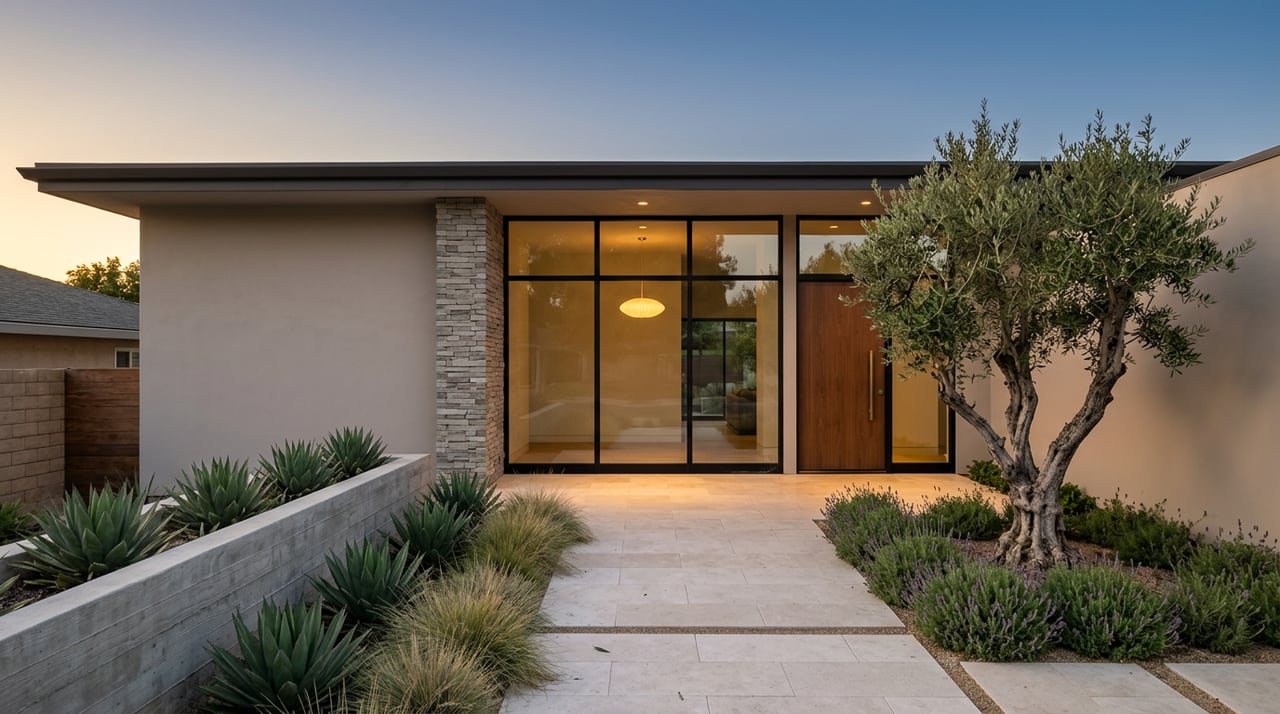
- Styles you’ll see: Craftsman bungalows and period revival homes in the historic core; ranch and mid-century in many mid-century tracts; Mediterranean and newer custom homes in the foothills; townhomes and small multifamily near the Village and main corridors.
- Lot sizes: Smaller, walkable grids near downtown; larger, irregular parcels in the foothills with more privacy; higher-density infill near transit and along corridors.
- Age and condition: Many homes date from the early 1900s through the 1960s, with pockets of newer construction and extensive remodels, especially in the hills and sought-after streets.
Lifestyle, parks, and schools
- Parks and outdoors: Claremont Hills Wilderness Park offers popular trailheads and open space, and the California Botanic Garden is a major local asset. Smaller parks and community facilities are spread across the city.
- Culture and retail: The Village features restaurants, boutique retail, galleries, and recurring events, while the Colleges add museums, talks, and performances.
- Schools: The city is served by the Claremont Unified School District. School quality is an important factor for many buyers and can influence long-term resale. Verify attendance boundaries, programs, and enrollment details with official district and state resources.
Commute and transit trade-offs
Many buyers balance regional commutes with Claremont’s lifestyle. The Metrolink station provides an alternative to driving for some routes, and local buses connect neighborhoods to the station and nearby cities. Always check current rail and bus schedules, parking availability, and peak drive times as you plan.
Risks and due diligence to budget
- Wildfire and brush: Foothill neighborhoods sit in a wildland-urban interface. Review defensible space rules, insurance options, and official fire hazard maps for specific addresses.
- Slope and geology: Hillside parcels can involve grading, drainage, and seismic retrofits. Budget for specialized inspections and review any available geological reports.
- HOAs and maintenance: Many single-family areas have no HOA, but townhomes, newer infill, and some hillside communities may. Review CC&Rs, dues, and reserve studies.
- Zoning and ADUs: State ADU laws create opportunities, but city rules still apply. Confirm feasibility with Claremont planning before you buy if an ADU is part of your plan.
- Property taxes: California’s Prop 13 framework applies. Check parcel-specific rates and understand supplemental assessments that can follow a sale.
Quick chooser: match by priority
- Walkability and dining: Village-proximate blocks and the historic core.
- Architectural character: Historic core and Smiley Park.
- Views and privacy: Claremont Hills and North Claremont.
- Relative value: South Claremont and Foothill corridor pockets.
- Rental potential near campuses: College-adjacent streets.
How to narrow your search
- Set your top three: Walkability, lot size, or views. Decide your must-haves versus nice-to-haves.
- Map your commute: Test-drive peak routes and review current rail schedules.
- Verify details on a listing: School attendance area, HOA rules and dues, permit history on major remodels, and any flood, fire, or slope-related reports.
- Assess total cost: Insurance quotes, expected maintenance on older systems, and any HOA or vegetation-management requirements.
- Plan improvements: For older homes, get contractor input on upgrades, seismic work, and energy efficiency.
Your next step
If you want local insight that blends neighborhood knowledge with practical investor-grade guidance, we’re here to help. Our team serves single-family and townhome buyers and sellers across Claremont and the Foothill corridor, with added support for relocation clients, first-time buyers, and investors. When you are ready to compare specific streets or evaluate a property’s upside, reach out to Carlos & Pat Samuelson and Associates for a clear, step-by-step plan.
FAQs
What are the main Claremont neighborhoods for buyers?
- The Village, college-adjacent streets, the historic core including Smiley Park, the Claremont Hills and North Claremont, and South Claremont near Foothill Boulevard.
Is living near the Claremont Colleges a good fit?
- It suits buyers who like campus energy and events or want rental potential, with a mix of single-family homes and small multifamily on nearby blocks.
Are foothill homes more exposed to wildfire risk?
- Foothill areas sit closer to open space and brush, so review defensible space rules, insurance options, and official hazard maps for address-specific risk.
How walkable is the Village area for daily needs?
- Village-proximate streets offer short walks to cafes, shops, and events, though homes there often have smaller lots and more pedestrian activity.
What should I expect with HOAs in Claremont?
- Many single-family areas have no HOA, while townhomes, newer infill, and some hillside communities do; always review CC&Rs, dues, and reserves.
How practical is commuting from Claremont to Los Angeles?
- Many buyers balance lifestyle with longer drives or rail; check current Metrolink schedules, parking, and peak travel times to confirm your route.