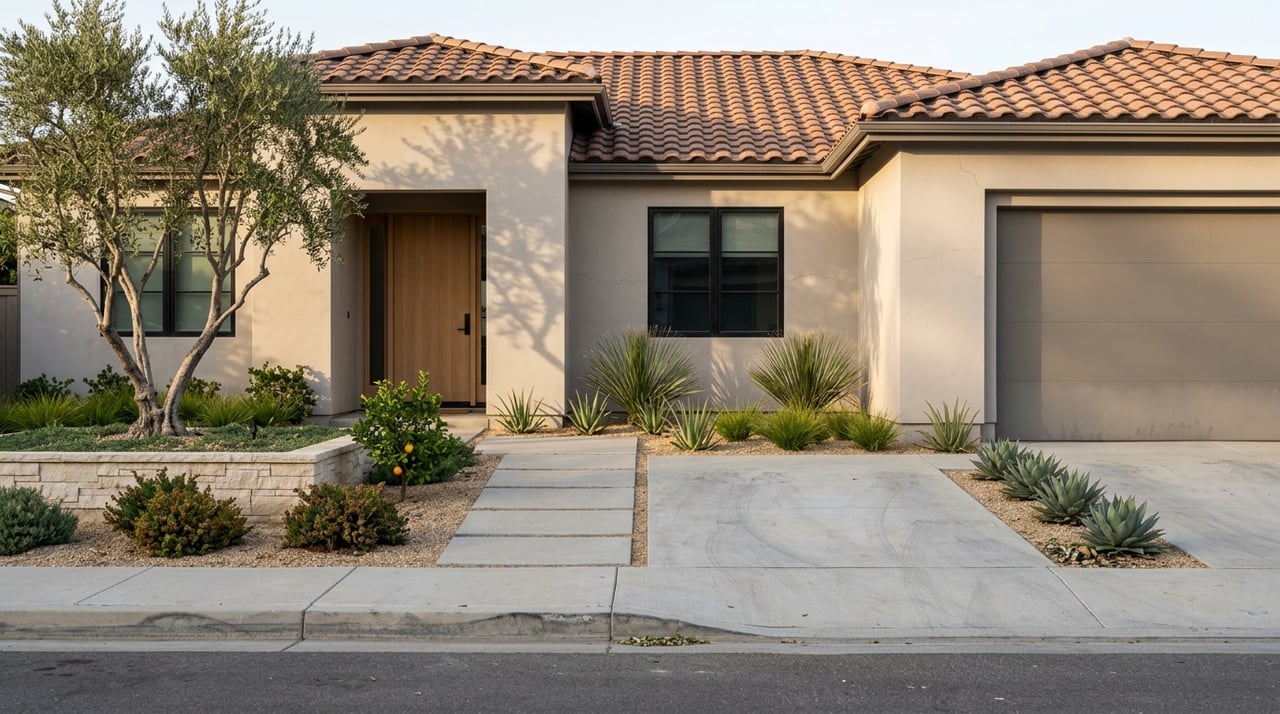
Comparing Newer and Older Homes in Rancho Cucamonga
April 2, 2026
April 2, 2026
Trying to choose between a newer home and an established neighborhood in Rancho Cucamonga? You are not alone. Many buyers love the fresh finishes and planned amenities of new construction, but they also want the lot size, mature setting, and distinct feel that often come with older parts of the city. The good news is that Rancho Cucamonga gives you both, and understanding the tradeoffs can help you make a smarter move. Let’s dive in.
Rancho Cucamonga is not a blank-slate growth city. According to the city’s Housing Element, more than 90% of the city is already developed.
That matters because your choice is usually not between a brand-new city edge and an older core. Instead, you are often comparing newer planned pockets with long-established residential areas that have developed over many decades.
The city’s planning materials also show that new housing is being focused in specific areas rather than spread evenly across Rancho Cucamonga. You can see that in ConnectRC planning resources, which identify neighborhoods and planning areas such as Etiwanda and Central North-Eastside.
In Rancho Cucamonga, newer homes come in more than one form. They can be compact attached homes, larger detached properties, or future master-planned foothill neighborhoods.
For example, Sycamore Heights by Lennar includes gated condo-style homes ranging from 1,245 to 2,043 square feet, with 2 to 4 bedrooms, 2-bay garages, and planned amenities such as a pool, dog park, and tot lot. The same community lists an approximate HOA fee of $496 per month.
At the higher end, Vinova by Toll Brothers is being marketed with homes from roughly 4,023 to 5,133 square feet, up to 5 bedrooms, 3-car garages, estate-sized home sites, trails, and a two-acre park. That is a very different product from a gated condo, but it is still part of the newer-home conversation.
There are also newer detached communities that emphasize larger homes and more open surroundings. Etiwanda Classics at Highland offers homes from 3,511 to 5,012 square feet, with 4 to 5 bedrooms, large lots, open space, a neighborhood park, and equestrian trail access.
One of the clearest examples of Rancho Cucamonga’s future housing direction is Etiwanda Heights. The approved plan includes 2,700 to 3,000 single-family homes, 85 acres of parks, and 11 miles of new trails.
That plan also shows that newer construction in Rancho Cucamonga is often tied to a bigger lifestyle package. Instead of just a house, you may be buying into a coordinated plan with trails, parks, and a more structured neighborhood layout.
If you are drawn to character, lot variety, and a more mature setting, established areas may feel like a better fit. In Rancho Cucamonga, those neighborhoods are not all the same, which is part of their appeal.
Alta Loma planning materials describe the area as semi-rural and suburban, with a strong equestrian heritage. Parts of Alta Loma include one-half-acre equestrian lots in the north and one-quarter-acre lots farther south.
That lot pattern can create a very different experience from a newer planned tract. You may find more space around the home, more variation from property to property, and a less uniform streetscape.
Red Hill planning documents show another side of established Rancho Cucamonga. The city describes Red Hill as a western gateway area with hilly terrain, winding semi-rural roadways, limited grading, and a mix of lot sizes, including custom-built homes dating back to the late 1930s.
More broadly, the city’s existing land-use report says single-family lots in Rancho Cucamonga range from 5,000 square feet to 1 acre or more, with larger lots generally in the northern third of the city. That helps explain why many established neighborhoods feel more varied and more complete.
One of the biggest differences between newer and established areas is the layout of the homes themselves. Newer communities often lean into open-concept designs, more standardized floor plans, and features such as lofts, decks, attached garages, and updated finishes.
You can see that pattern in current builder offerings like Lennar’s Sycamore Heights floor plans. If you want a more turnkey feel and a contemporary layout, newer construction may check a lot of boxes.
Established neighborhoods often bring more variation. Based on city descriptions of places like Alta Loma and Red Hill, you may see custom homes, older street patterns, and a broader mix of lot shapes and house styles.
If HOA dues are a big part of your decision, newer neighborhoods often make those costs easier to spot upfront. At Sycamore Heights, the builder lists an approximate HOA fee of $496 per month, which helps buyers budget early in the process.
Some newer communities also promote relatively low HOA fees, as Vinova does. Still, HOA structure, dues, and rules can vary a lot from one community to the next.
Established neighborhoods may have no HOA, or they may have smaller or older associations. Because Rancho Cucamonga developed in stages over many years, it is important to verify this property by property rather than assume all older neighborhoods work the same way.
Maintenance can look very different depending on where you buy. A newer HOA-managed community may feel more consistent from home to home, especially on exterior appearance and common areas.
In other parts of Rancho Cucamonga, upkeep may be more directly in your hands. The city explains that Landscape Maintenance Districts vary by area, and property owners in those districts pay assessments for construction and upkeep.
The city’s Community Improvement standards also address issues such as dead vegetation, weeds, and bare dirt. In foothill and wildland-adjacent areas, homeowners should also pay attention to wildland fire area guidance, including defensible space around the property.
That means an established foothill home may offer more privacy, larger grounds, or a more natural setting, but it may also come with more responsibility for landscaping, slopes, and vegetation management.
| Feature | Newer Builds | Established Areas |
|---|---|---|
| Neighborhood pattern | Planned pockets and master-planned communities | Mixed tracts, custom homes, and older neighborhoods |
| Home style | More standardized and contemporary | More varied by street and lot |
| Floor plans | Open concept, lofts, newer finishes | Wider range of layouts and architectural styles |
| HOA presence | More common and often easier to identify upfront | May be absent or vary by tract |
| Lot size | Varies widely by project | Often more varied, with larger lots in some areas |
| Exterior upkeep | May feel more predictable in HOA settings | Often more owner-managed |
The right choice depends on how you want to live day to day. A newer community may be a better fit if you want a more turnkey home, a predictable neighborhood layout, and amenities built into the community plan.
An established area may make more sense if you value lot size, mature surroundings, and a less uniform feel. You may also prefer the individuality that comes with older streets, custom homes, or semi-rural foothill settings.
A few questions can help you narrow it down:
In Rancho Cucamonga, newer builds and established areas are both part of the local story. Because the city is already largely built out, the decision is usually about lifestyle, maintenance, and neighborhood feel, not simply age.
If you want help comparing specific neighborhoods, lot patterns, HOA setups, and resale potential, working with local advisors who understand Foothill communities can make the process much easier. Connect with Carlos & Pat Samuelson and Associates for thoughtful guidance as you weigh your options in Rancho Cucamonga.

Whether you're a first-time buyer, a seasoned investor, or looking to sell, you can trust Carlos and Pat to go above and beyond to achieve your goals. Your real estate journey deserves experts who care. Let Carlos and Pat Samuelson guide you to success!