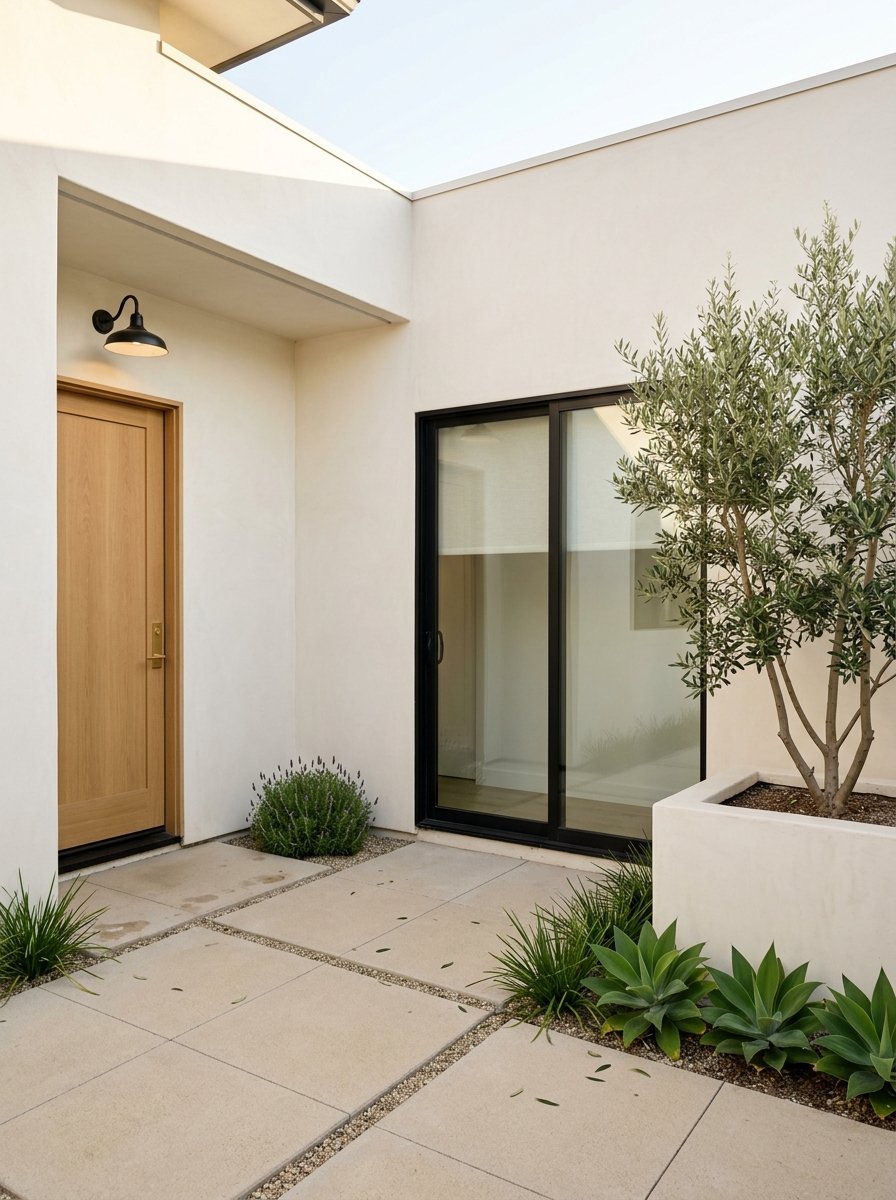
Your Claremont House Hacking Guide for Smarter Buying
April 23, 2026
April 23, 2026
If you want your next home in Claremont to do more than give you a place to live, you are not alone. Many buyers are looking for ways to create flexibility, offset monthly costs, or plan for future rental income without giving up the feel of a primary residence. The good news is that Claremont offers real opportunities, but the details matter. Let’s dive in.
Claremont is a city of about 35,000 residents with a mix of single-family homes, condominiums, townhouses, and apartments, according to the City of Claremont. The city also reports an estimated 63.2% owner-occupied housing rate, a median owner-occupied home value of $897,000, and a median gross rent of $2,237.
For buyers, those numbers help explain why rental potential can be appealing. In a market where ownership costs are significant, income from an extra unit or rentable space may help support your long-term budget while keeping the home as your primary residence.
Claremont also places strong value on neighborhood character, architectural heritage, and its small-town atmosphere tied in part to the city’s history and identity. That means the best rental-potential property is not just the one with extra square footage. It is the one that fits city rules, works with the lot, and blends with the surrounding home design.
Rental potential can mean different things depending on the property. In Claremont, it often starts with whether a home already has a legal accessory dwelling unit, has space that may qualify for a future ADU, or has a layout that supports privacy and separate access.
The city defines an ADU as a separate dwelling with living, sleeping, eating, cooking, and sanitation facilities, plus a separate entrance, and it allows one ADU per single-family lot along with one junior accessory dwelling unit, or JADU. Claremont also allows ADUs on single-family and multifamily residentially zoned properties, as outlined on the city’s Accessory Dwelling Units page.
Fannie Mae adds an important practical standard. An ADU can be internal, attached, or detached, but it must be accessible without going through the main house and should offer a reasonable expectation of privacy, based on its ADU property guidance.
When you are touring homes, it helps to think beyond the current floor plan. A property with rental potential usually shows clear signs that an extra space could function independently and comfortably.
One of the strongest signs of rental potential is a separate entrance. If someone would need to walk through your main living area to reach the space, it may not work well as an ADU or private rental setup.
Privacy matters too. A layout that creates some separation between the main house and the secondary space is often more practical for both daily living and future rental use.
The lot itself can be just as important as the house. Buyers should pay attention to where an attached or detached unit might fit, whether the yard allows enough functional space, and how the added structure would sit in relation to the main home.
Claremont’s ADU review materials also make it wise to consider parking, mature trees, and overall site design early in the process. These issues can affect whether a future project is realistic.
In Claremont, design fit matters. The city says ADU and JADU exterior features, including windows, materials, roof, and color, must match the design of the primary dwelling, according to the city’s ADU standards.
That means a promising rental property is not only about adding doors and a kitchenette. You also need to think about how any future unit will look from the street and how smoothly it can align with the home’s existing architecture.
A home may look perfect on paper and still be a poor rental-potential purchase if local rules limit your options. In Claremont, this step is especially important because design review and preservation standards can shape what you can build or change.
The city states that all new construction is reviewed to help preserve community character. Its Cultural Resource Preservation program also explains that Claremont has guidelines for 30 unique neighborhoods and review procedures for alterations to historic or cultural resources.
If you are considering an older home or a property in a sensitive location, do not assume a future addition will be simple. This is one of the biggest reasons it helps to evaluate rental potential before you make an offer, not after.
Before you move forward on a home with rental goals, ask a few basic questions:
Claremont also offers pre-approved ADU plans that may help streamline permitting and reduce blueprint costs. The city encourages owners to speak with a planner before starting the process, which is a smart step for buyers as well.
Even if a property seems ideal, paperwork and site details can still affect timing and cost. Claremont’s ADU application requires a notarized owner signature, site plan, floor plan, elevation plans, a preliminary title report, and a statement of intended occupant and estimated monthly rent.
That list is a reminder that feasibility is not just about vision. It is about whether the property can support a realistic, documentable plan.
Some buyers assume they can make the numbers work with vacation rental income. In Claremont, you need to be careful with that assumption.
The city currently allows only hosted short-term rentals. According to Claremont’s Short-Term Rental rules, the owner must live on-site during the guest stay, the property must be the owner’s primary residence for at least nine months each year, and no-host vacation rentals are prohibited.
Permits are required, permit availability is limited by zone, and the city collects a 10% transient occupancy tax. If you are thinking about short-term rental use in an ADU or other accessory structure, the city says you should confirm eligibility before applying.
If your plan is a long-term rental rather than short-term stays, you still need to understand the legal framework. Claremont does not have its own rent stabilization ordinance, but the city explains that California’s Tenant Protection Act generally caps covered units at 5% plus inflation or 10%, whichever is lower, and requires just cause after 12 months.
The city’s Tenant Assistance page also notes that Claremont has a just-cause eviction ordinance that mirrors AB 1482 and includes stronger protections in some situations, including higher relocation assistance for certain no-fault evictions.
For buyers, the takeaway is simple. Rental income can add flexibility, but being a landlord comes with rules that should be part of your purchase decision from day one.
A home with rental potential can be a smart buy, but you should be careful not to count every projected dollar as guaranteed. This is especially true when you are using estimated rent to shape your offer price or monthly budget.
Fannie Mae says ADUs can add value, support multigenerational living, or generate rental income, and some loan products may allow income from an existing ADU on a one-unit primary residence to help you qualify. But lender treatment depends on the property type and whether the income can be documented under Fannie Mae’s ADU guidance.
Fannie Mae’s rental income guidance is another reason to stay conservative. In practice, projected rent may not be treated the same way for loan qualification as it would in your personal budgeting.
If you are comparing homes, it helps to use a basic return framework instead of focusing only on top-line rent. Start with gross projected rent, then subtract likely vacancy, repairs, insurance, property taxes, permit and inspection costs, and financing costs.
That kind of math gives you a much more realistic view of the property. It also helps you avoid paying a premium for rental potential that may not produce the return you expect.
Rental income can affect your taxes, so it is worth thinking through early. The IRS states in Publication 527 that rental income generally must be included in gross income, and some rental expenses such as maintenance, insurance, taxes, and interest may be deductible.
If you also use the property personally, the tax treatment can change based on your personal-use days and whether the activity is considered for profit. That is why many buyers benefit from checking the plan with a tax professional before they purchase, not after.
The best rental-potential purchase usually checks three boxes at once: the home works for your lifestyle, the property appears physically suited for a legal rental setup, and the numbers still make sense after a realistic review of rules and costs.
That is where local guidance can make a real difference. In a market like Claremont, you want to evaluate not just the home, but also the lot, design fit, permit path, and income assumptions before you commit.
If you are thinking about buying a Claremont home with rental potential, working with advisors who understand both neighborhood nuance and investment-minded analysis can save you time and help you avoid costly assumptions. Connect with Carlos & Pat Samuelson and Associates for practical guidance as you search for the right fit.
Whether you're a first-time buyer, a seasoned investor, or looking to sell, you can trust Carlos and Pat to go above and beyond to achieve your goals. Your real estate journey deserves experts who care. Let Carlos and Pat Samuelson guide you to success!