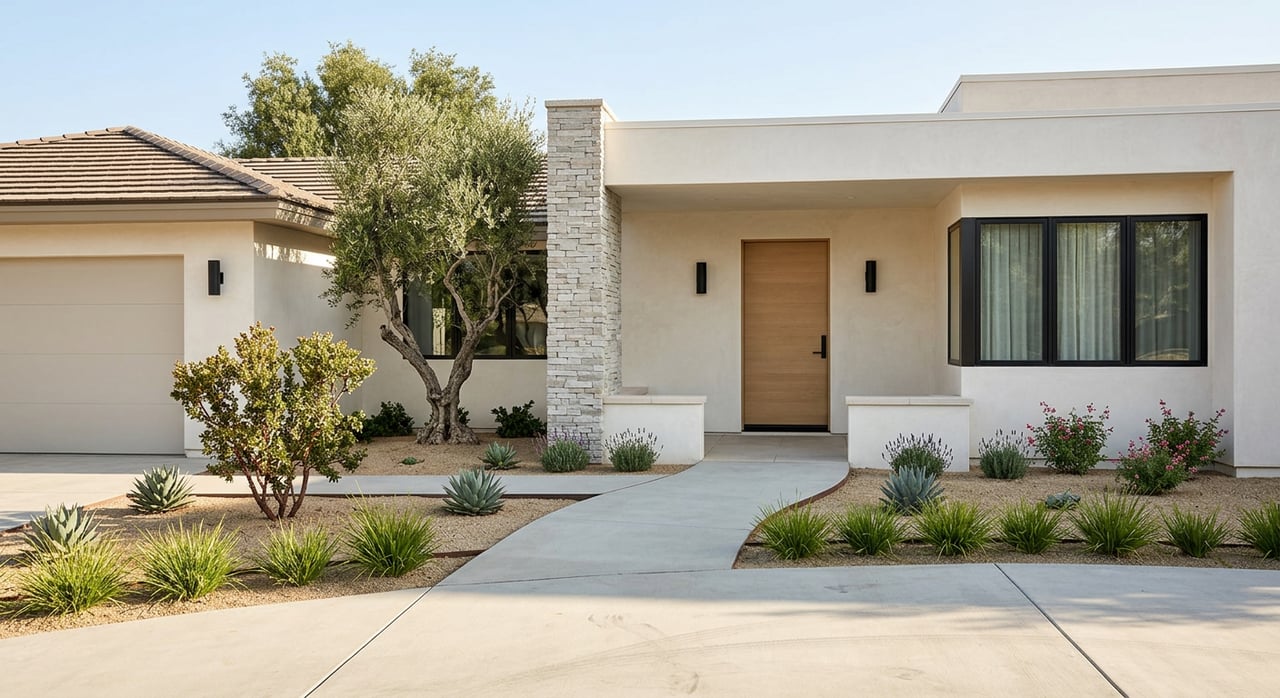
If you want easier living without stairs, you are not alone. Many Upland buyers are hunting for true one-level homes that feel comfortable now and adaptable for the future. In this guide, you will see where single-story homes cluster, how to search for them efficiently, what to inspect, and what common accessibility upgrades cost. You will also learn how local rules affect historic homes and ADUs, so you can move forward with clarity. Let’s dive in.
Upland’s single-story market at a glance
Recent reports show Upland’s typical home values ranging from the mid $600,000s to the low $800,000s. Different data providers publish different medians because they use different methods and time frames. Prices also vary by neighborhood, lot size, and whether the home sits in the foothills or in historic pockets closer to downtown. Expect a moderately competitive market where days on market shift with the season and the price point.
For single-story buyers, neighborhood and home age matter. Smaller historic bungalows closer to Old Town often trade at lower medians than larger one-level homes in the foothills. If you need a more exact target, use live MLS data with your agent and focus on neighborhood medians rather than a single citywide figure.
Where to find single-story homes
Old Town and historic districts
Upland has a rich collection of late 1800s to early 20th century bungalows and cottages, many on a single level. The city maintains a local register and nine designated historic districts that include many of these homes. If you are drawn to period charm and walkable pockets, start here. Before planning exterior changes, review the city’s rules, since historic resources often require approvals for visible alterations. You can learn more on the City’s Historic Preservation page.
Mid-century ranch neighborhoods
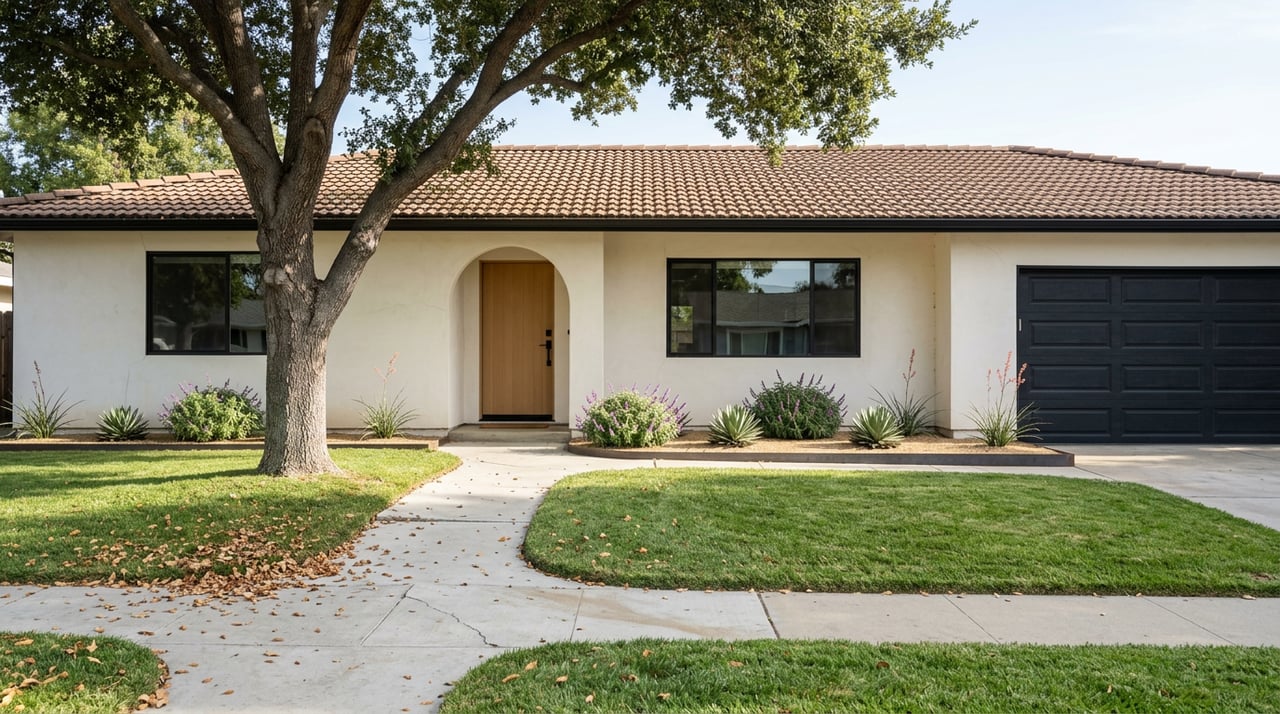
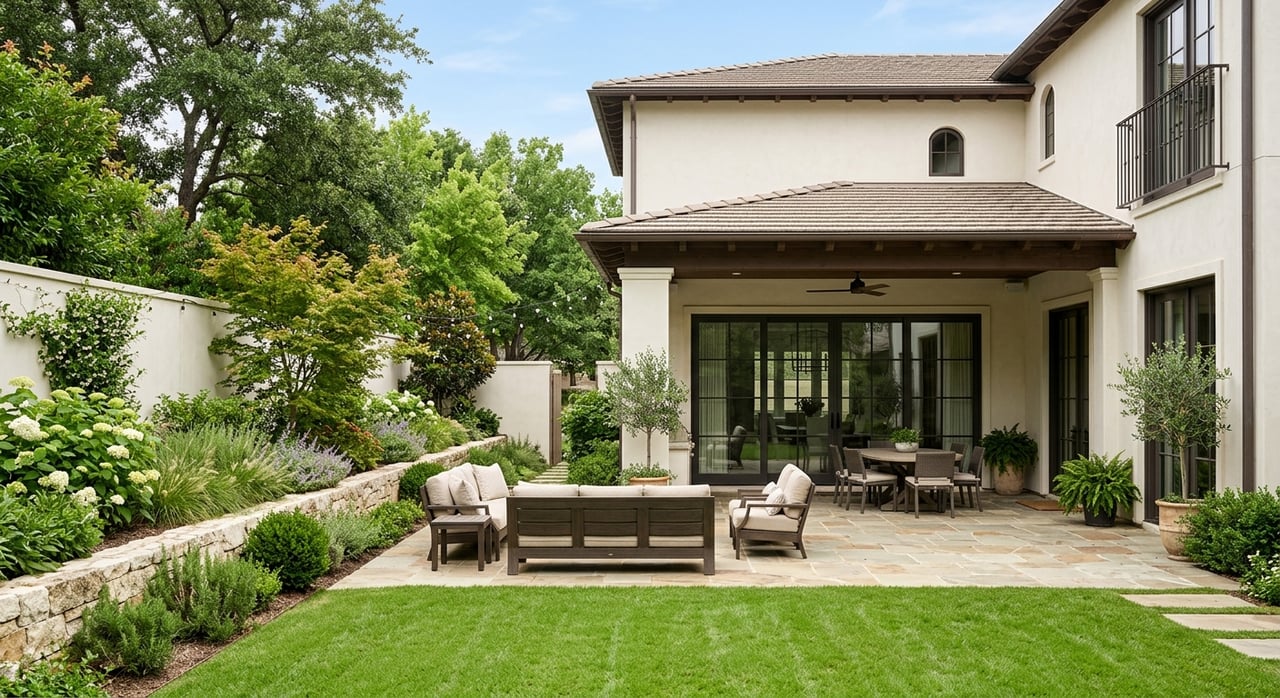
North and south of Foothill Blvd, you will find many 1950s to 1970s single-story ranches. These are the workhorses of one-level living in Upland. Typical plans include 3 bedrooms and 1 to 2 baths with approximately 1,200 to 1,900 square feet and an attached garage. These homes suit downsizers and anyone who wants simple single-level circulation without steps between main rooms.
Foothill and hillside pockets
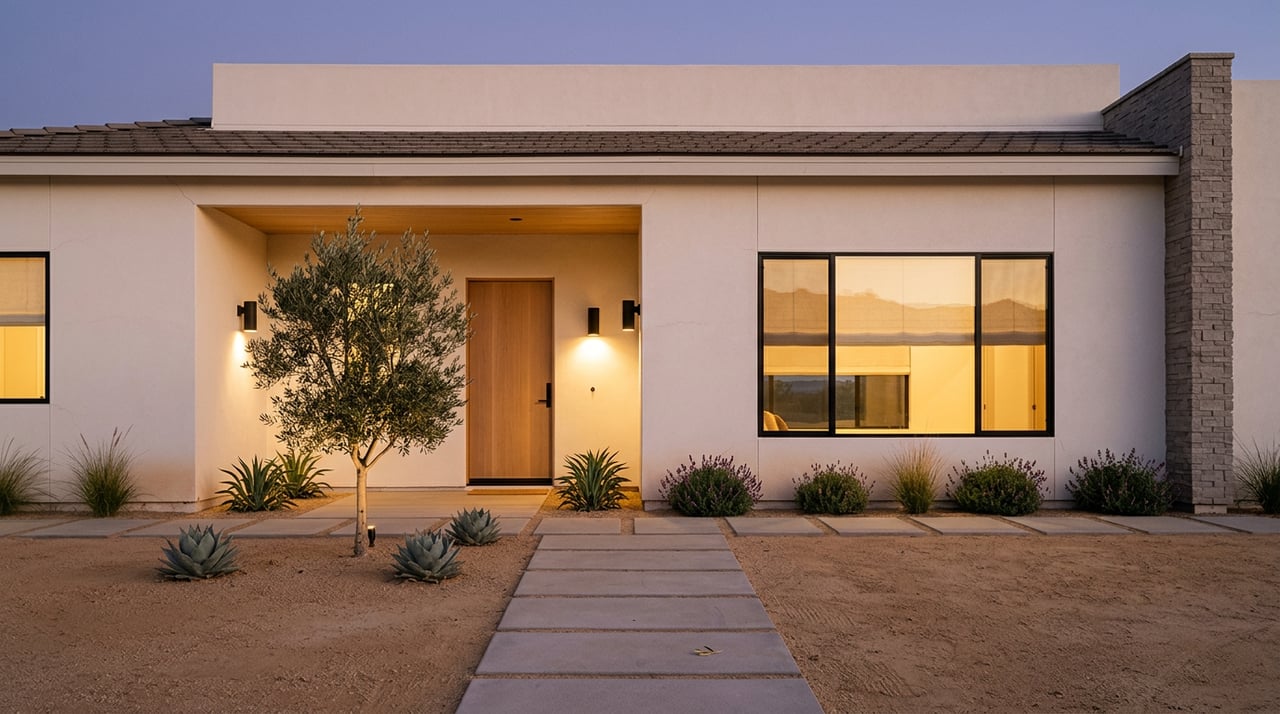
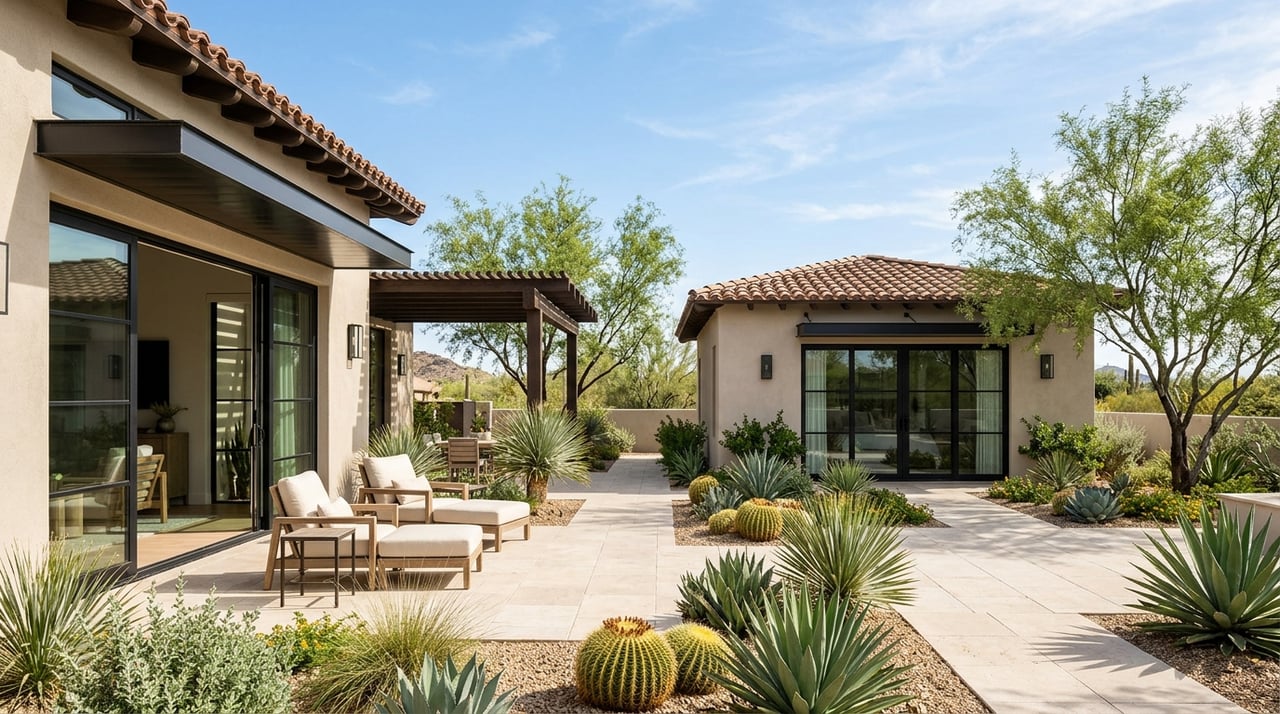
Select foothill areas, including neighborhoods with estate-style properties, offer larger one-level homes and ranch estates. These often command premium pricing thanks to lot size, privacy, and views. If you are seeking more space on one level, plan for higher price points and make sure your search map includes these pockets.
Newer patio and infill product
Some newer communities and infill projects offer single-level homes or ground-floor plans in townhome or condo settings. When you tour, confirm whether the unit is fully on one level and ask about HOA rules for accessibility modifications if you plan to age in place. If you are considering multigenerational living, know that Upland’s policies support accessory dwelling units. Review the City’s ADU program page for local guidance.
What single-story floor plans look like
- Historic bungalows: 2 to 3 bedrooms, often 800 to 1,300 square feet, modest yards, simple one-level layouts.
- Mid-century ranches: Commonly 3 bedrooms and 1 to 2 baths, about 1,200 to 1,900 square feet, attached garage, corridor or split plans.
- Newer one-level or patio homes: Roughly 1,200 to 2,400+ square feet depending on builder, lot, and elevation.
How to search effectively
The fastest path to good results is to work the MLS with a local agent. Ask your agent to set the “Stories” filter to 1 where available and to include keywords like “single story,” “one level,” “ranch,” “bungalow,” “no stairs,” “zero-step,” or “patio home.” On public portals that do not offer a stories filter, use the keyword box the same way.
Useful filters to try:
- Age or year built: Try pre-1940 for bungalows, 1950s–1970s for ranches, or post-1990 for newer single-level options.
- Lot size and home square footage: Single-story homes often sit on wider lots, so include lot filters if yard space is a priority.
- Map search: Zoom to Old Town and other historic districts, then scan foothill pockets for larger one-level candidates.
- Garage and parking: If step-free access from vehicle to kitchen matters, include garage filters and verify the route during showings.
On the ground, request a floor plan when possible, and bring a tape measure to showings. Confirm door widths, threshold heights, and the number of steps from the garage into the home. If you need in-law space, ask about existing ADUs or Junior ADUs and whether they were permitted. For future plans, the City’s ADU resources explain what is allowed.
Showing-day checklist for one-level living
Bring your phone camera and a tape measure. AARP’s HomeFit guidance stresses a zero-step entry and a full bath on the main level. Use this quick list while you tour:
- Entry: Measure the front threshold and note any steps or raised lips. Aim for a zero-step or reduced-threshold entry.
- Doors: Measure clear widths to the primary bedroom and at least one full bathroom.
- Garage access: Count steps between the garage and interior door, then check for space to add a small ramp if needed.
- Floors and grading: Look for uneven floors, settlement, or poor drainage near entries that could cause slip hazards.
- Bathrooms: Confirm at least one full bath on the main level and space for future grab bars or a shower conversion.
- Permits: Ask your agent to verify recent permits, including any accessibility work or ADUs.
For more room-by-room ideas, see AARP’s HomeFit Guide.
Inspections and approvals to plan for
Older and newer one-level homes come with different checkpoints. Build the right inspection package so you know what you are buying.
- Structural and foundation: Look for settlement, major cracking, and how the home sits on the lot. On raised foundations, ask about seismic bolting and cripple walls. If you see concerns, a structural engineer consult is wise.
- Roof and envelope: Ask about roof age, signs of leaks, and whether entries or porches create tricky step-downs that fight a zero-step path.
- Electrical and plumbing: Confirm the electrical panel size and age. Some older homes still have legacy wiring. Knob-and-tube or outdated systems can trigger higher insurance costs or require upgrades. For context on rewiring costs, review this overview of knob-and-tube replacement considerations.
- Environmental health in pre-1978 homes: Homes built before 1978 may have lead-based paint. Any sanding, window work, or similar renovations must follow the EPA’s lead-safe rules. Learn more about the EPA RRP program for consumers.
- Pests and moisture: In California, a Wood Destroying Organism inspection is common. Add a sewer-scope camera inspection for older properties to check for root intrusion or line breaks.
Historic-district permits and potential tax benefits
If the home is a designated historic resource, exterior changes that affect appearance may require a Certificate of Appropriateness. This matters for visible accessibility upgrades like ramps, porch changes, or new entries. Upland lists nine local historic districts and also participates in the Mills Act tax-incentive program for qualifying owners, which can reduce property taxes in exchange for preservation obligations. Review the City’s Historic Preservation page for details.
Aging-in-place upgrades and typical costs
Single-story living does not always mean step-free living. Many buyers plan simple improvements after closing to make a home safer and easier to use. Here are common projects and ballpark ranges. Actual costs vary with finishes, permits, and site conditions, so get multiple local bids.
- Low-cost, low-disruption updates: Grab bars, lever handles, handheld showerheads, nonslip flooring, threshold reducers, and raised toilet seats are often a few hundred dollars plus installation. See AARP’s practical checklist in the HomeFit Guide.
- Tub-to-shower conversions and curbless showers: Basic conversions commonly range from about 1,500 to 8,000 dollars. Curbless or more customized work often starts around 2,000 to 4,000 dollars and rises with tile and plumbing complexity. For a national overview, see tub-to-shower cost guidance.
- Exterior ramps and permanent entrances: Modular or permanent ramps often fall in the 1,700 to 5,000 dollar range on national averages. Site slope, materials, and permit needs move costs up or down. See typical ranges in this ramp installation cost guide.
- Larger projects: Widening doorways, reconfiguring a bathroom, installing a lift, or upgrading an electrical panel can run from several thousand to tens of thousands of dollars. AARP advises working with a Certified Aging-in-Place Specialist or an occupational therapist to tailor the scope.
Funding and support options
- Veterans: The VA’s Home Improvements and Structural Alterations benefit can help with medically necessary upgrades like ramps or roll-in showers for eligible veterans. Learn more about HISA and related grants on the VA Prosthetics and Sensory Aids Service site.
- Rural or very low-income homeowners: USDA Rural Development’s Section 504 program offers small grants or low-interest loans for health, safety, and accessibility repairs in eligible rural areas. See the USDA Section 504 program for details.
- Local and nonprofit resources: Programs like Rebuilding Together, Habitat affiliates, and the Area Agency on Aging may offer help for minor repairs or ramps. Availability changes by year. Check with the San Bernardino County Area Agency on Aging and local nonprofits for current options.
What drives value for single-story homes in Upland
Certain features make a one-level home stand out:
- A true zero-step entry or an easy path to create one.
- An updated, accessible bathroom with a walk-in or low-threshold shower.
- A level lot and simple vehicle-to-kitchen access.
- Proximity to downtown conveniences for smaller-lot buyers who value walkability.
- A permitted ADU or clear ADU potential for multigenerational living.
Smaller, well-located bungalows in historic pockets can see strong interest because supply is limited. Larger single-level homes in foothill neighborhoods usually command premium pricing. As you shape your budget, look at neighborhood medians and recent sales for your specific pocket rather than relying on one citywide number.
Your next step
If a single-story home in Upland is on your wish list, start with a focused search and a plan for inspections. We can set up an MLS feed filtered to true one-level homes, flag off-market leads, and introduce vetted inspectors and contractors who understand aging-in-place upgrades. If you are considering a historic property or an ADU, we will help you navigate city rules and timelines so there are no surprises.
Ready to talk strategy or tour homes this week? Reach out to Carlos & Pat Samuelson and Associates for a tailored search and local guidance.
FAQs
How much do single-story homes in Upland, CA typically cost?
- Expect a broad range from the mid $600,000s to the low $800,000s depending on neighborhood, lot size, and age; smaller historic bungalows often trade lower than larger foothill ranches.
Where should I look for smaller, walkable bungalows in Upland?
- Focus on Old Town and the city’s locally designated historic districts, which include many single-story bungalows; review rules on the City’s Historic Preservation page.
What inspections matter most for older single-story homes?
- Prioritize a full home inspection, electrical safety review, WDO/termite report, sewer-scope camera, and roof evaluation; add a structural consult if you see settlement or if the lot is sloped.
Can I add an ADU to a single-story property in Upland?
- Often yes, subject to city rules; check Upland’s ADU resources for allowances, setbacks, and plan options before you design or bid work.
What does it cost to add a ramp or convert a tub to a shower?
Do I need approval to change a porch on a historic Upland home?
- If the home is a designated historic resource, exterior changes that affect appearance may require a Certificate of Appropriateness; confirm requirements on the City’s Historic Preservation page.