Claremont Walkable Living Guide for Village-Area Buyers
June 25, 2026
June 25, 2026
If you are dreaming about a Claremont home where coffee, dinner, the train, and a park are all within reach on foot, you are not imagining things. Walkable living is very real in Claremont, but it is also highly location-specific, and that matters when you start touring homes. This guide will help you understand where walkability is strongest, what kinds of homes you are most likely to find, and how to think about value before you buy. Let’s dive in.
Claremont’s most walkable area centers on The Village, which the City describes as the community’s central business district. The City’s planning and design guidance emphasizes preserving the Village’s intimate, pedestrian-oriented character, which helps explain why this part of town feels different from more auto-oriented suburban areas.
That walkability is backed up by location data. Walk Score rates one Village location at 96 out of 100 and rates the Village neighborhood at 87 out of 100, indicating that many daily errands can be done without a car. For buyers, that means the appeal is not just aesthetic. It can shape your day-to-day routine.
The core is also practical for car-light living because the Claremont Metrolink station sits at the Historic Depot within walking distance of the Village shopping district. The station also serves as a Foothill Transit bus stop, giving you another transportation option if access to commuting or regional trips is part of your home search.
If you are trying to narrow your search, it helps to understand how the City defines the Village area. The Village boundaries in the design guidelines run roughly north of the railroad tracks and Arrow Highway, south of Harrison and Bonita, east of Cornell and Oberlin, and west of College Avenue.
Inside that area, the street pattern and building layout support walking in a very direct way. Streets generally follow a north-south and east-west grid, and the area includes mature trees, raised curbs, smaller setbacks, and in some places sidewalk cafes and buildings close to the street. Those details may sound minor, but together they create a more comfortable pedestrian experience.
If you like the idea of walkability but want a more residential setting, there are a few nearby pockets worth watching closely.
Immediately west of the core, the Village Residential neighborhood stands out for buyers who want to live near amenities without being in the middle of the commercial district. The City notes that this area is within easy walking distance of both The Village and the commuter train depot.
Housing here includes apartments, duplexes, townhomes, and condominiums. Many are arranged around common areas or oriented toward the street, with parking placed at the rear. That layout can support a more neighborhood-focused feel while still keeping you close to shops, dining, and transit.
Historic Claremont is another key area for buyers who want walkability with established character. The City identifies this district as Claremont’s oldest neighborhood, generally south of Foothill and north of Harrison between Indian Hill and College.
Homes in this area were built from the 1890s through the 1940s, and the neighborhood features tree-lined sidewalks and a strong pedestrian environment. The City also notes its adjacency to Pomona College and the small downtown, along with its proximity to the Village and the Colleges.
Parks are part of the walkable lifestyle equation too. The City says Claremont has dozens of parks and trails, and Memorial Park serves as the city’s primary community park on Indian Hill Boulevard.
Depending on the block, nearby open space can add a lot to daily life. If your goal is to walk the dog, meet friends outdoors, or take an easy evening stroll, park access may matter almost as much as proximity to restaurants or the train.
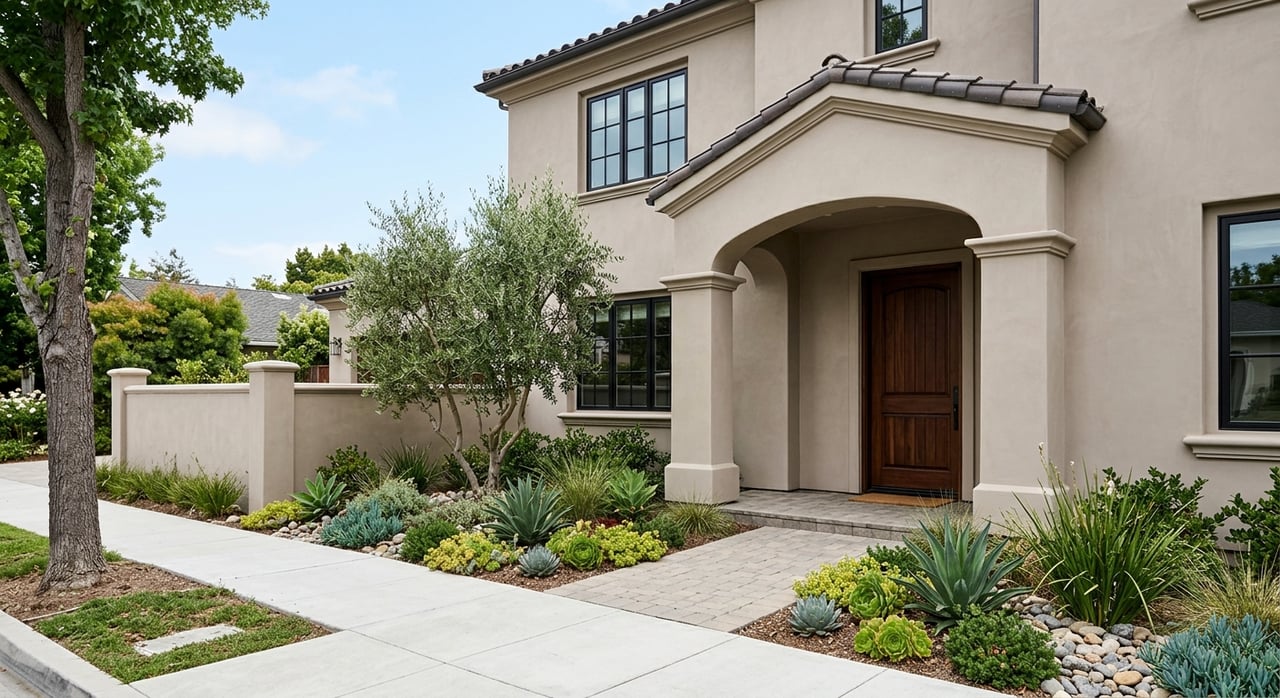
One of the biggest buyer surprises is that walkable areas do not always mean newer, larger homes. In Claremont’s core neighborhoods, the housing stock tends to be older, more varied, and often smaller than homes farther from the Village.
In Historic Claremont, the City’s guidelines identify Victorian, Craftsman, and Spanish Colonial Revival homes. Across Claremont more broadly, the architectural guidance also highlights one-story bungalows, Mission and Spanish Colonial Revival, California Ranch, and Colonial Revival styles.
In and around the Village, site design is also different from what many buyers expect in suburban neighborhoods. Buildings may sit close to the sidewalk with limited setbacks, while older residential properties can include alley access, side or rear garages, and in some cases guest houses or ADUs.
For you as a buyer, this often means the walkable core offers a more eclectic mix of property types. You may see historic bungalows, Craftsman homes, condos, townhomes, and mixed-use residential options rather than a uniform set of large lots and new construction.
In a walkable market, one block can feel very different from the next. A home that is technically near the Village may offer a very different experience depending on its street layout, parking access, setbacks, and how directly it connects to shops, parks, or transit.
That is especially true in Claremont, where some areas have narrow streets, mature tree canopies, alley-loaded garages, and a traditional pedestrian scale. Other nearby blocks may still be close in distance but feel more car-dependent in daily use.
This is why buyers benefit from looking beyond map radius alone. A practical walkability review should include the route to the Metrolink station, the ease of reaching restaurants or services on foot, and what parking looks like once you get home.
Walkable living does not always mean you will stop caring about parking. In fact, in Village-adjacent areas, parking can become a bigger part of your buying decision because the most charming blocks often have older site layouts.
The City’s Village parking rules give you a good picture of how this area functions day to day. There are three-hour lots, a parking structure at College and First, and mostly two-hour on-street parking near storefronts.
That setup is helpful for errands and dining, but it also shows why private parking configuration matters when comparing homes. A property with rear parking, alley access, or a more functional garage setup may feel much easier to live in over time than a similar home with tighter parking constraints.
Claremont remains an expensive market overall. Recent city-level data shows a median sale price of $1,109,336 over the last three months, while Zillow reports an average home value of $1,028,002, a median sale price of $1,107,167, and about 19 days to pending.
The 91711 ZIP code, which includes the Village and much of the walkable core, shows similarly elevated pricing. Zillow reports an average home value of $1,029,286, a median sale price of $1,107,167, and a median list price of $1,092,967.
At the same time, the walkable core is not one single price point. Redfin’s Village neighborhood page shows a median sale price of $787,000 over the last three months, but that figure came from only one sale and should be treated as directional rather than definitive.
Recent examples in that same pocket included a two-bedroom, two-bath home on West 1st at $730,000 and a Harvard Avenue sale at $1.5 million. The key takeaway is simple: in Claremont’s walkable areas, price is shaped by housing type, historic character, lot size, and parking access, not just proximity to the Village.
If you are buying for both lifestyle and long-term appeal, it is worth noting that walkability is not just part of Claremont’s past. It is also part of the City’s future planning.
The City is developing an Active Transportation Plan aimed at making Claremont more walkable, bikeable, and transit-oriented. That effort builds on existing infrastructure and planned projects, including Village South and the Metro Gold Line extension.
Village South is already approved as a mixed-use, transit-oriented plan area immediately south of the historic Village near the existing Metrolink station. The City’s goals for that area include complete streets, a walkable block structure, pedestrian-oriented building frontages, village-scale architecture, and shared parking.
For buyers, that suggests the core’s walkable identity may continue to strengthen over time. While no one can predict exactly how every block will evolve, the City’s planning direction clearly supports a more connected and pedestrian-friendly center.
If walkability is high on your list, it helps to evaluate homes through both a lifestyle lens and a practical one.
Here are a few smart questions to ask as you compare options:
The right answer is different for every buyer. Some people want to be just steps from restaurants and the station, while others prefer a quieter residential block that still keeps the Village within reach.
In Claremont, walkability is nuanced. Two homes may be similar in price, yet offer very different day-to-day experiences based on micro-location, parking layout, and the type of housing stock on the block.
That is where local insight can make a real difference. When you understand not just the map, but also how specific streets live, park, and connect, you can buy with more confidence and fewer surprises.
If you are weighing walkable neighborhoods in Claremont, Carlos & Pat Samuelson and Associates can help you compare the Village, Historic Claremont, and nearby residential pockets with a practical, local perspective.


Whether you're a first-time buyer, a seasoned investor, or looking to sell, you can trust Carlos and Pat to go above and beyond to achieve your goals. Your real estate journey deserves experts who care. Let Carlos and Pat Samuelson guide you to success!