The Claremont Pre-Listing Updates That Matter Most
July 2, 2026
July 2, 2026
Wondering where to spend money before you list your Claremont home? In a market where sale prices are around the million-dollar mark and homes can go pending quickly, buyers tend to notice condition issues right away. The good news is that you do not need to remodel everything to make a strong impression. If you focus on the updates buyers see first and respect Claremont’s local design standards, you can often improve your home’s appeal without overspending. Let’s dive in.
Claremont is not a blank-slate market. It is a built-out city with more than 30 distinctive neighborhoods, and the local design guidance places real value on compatibility, authentic materials, and well-maintained properties.
That matters because buyers are comparing your home not just to other listings, but to the polished streetscapes and character that define Claremont. In a market where Redfin reported a median sale price of $1.1 million for the three months ending April 2026, and Zillow reported homes pending in about 19 days, visible wear can quickly become a pricing or negotiation issue.
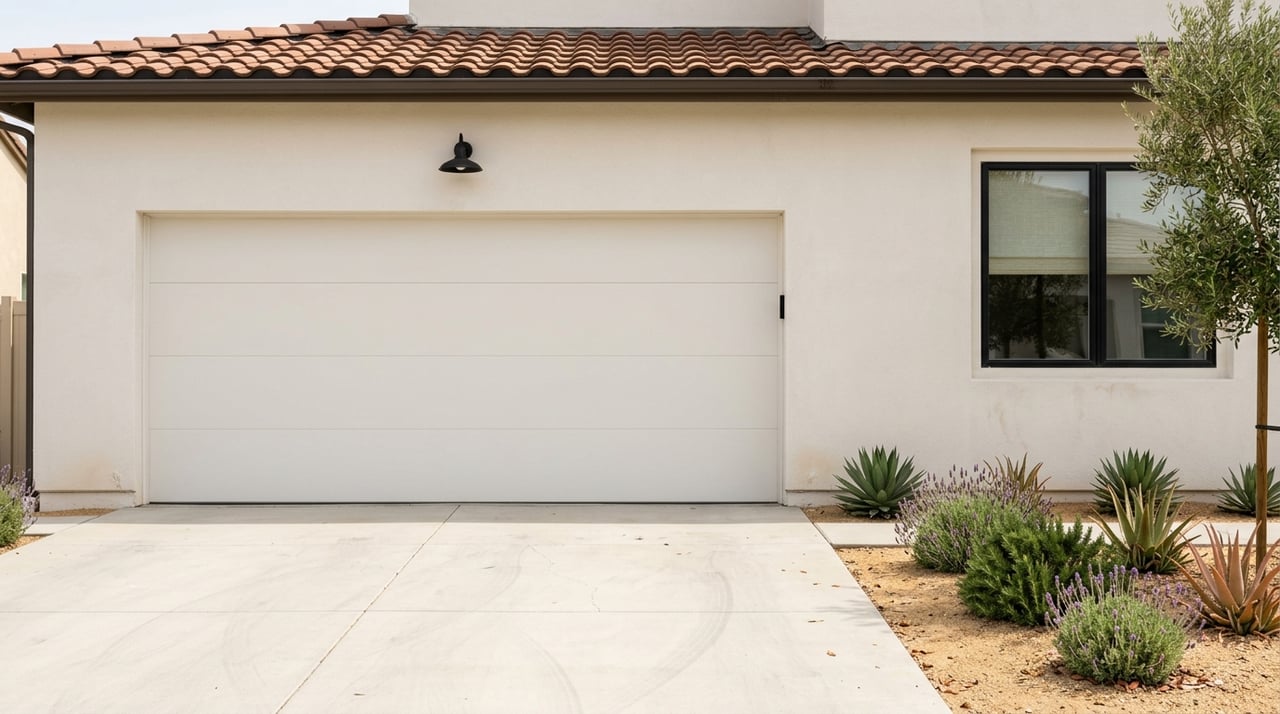
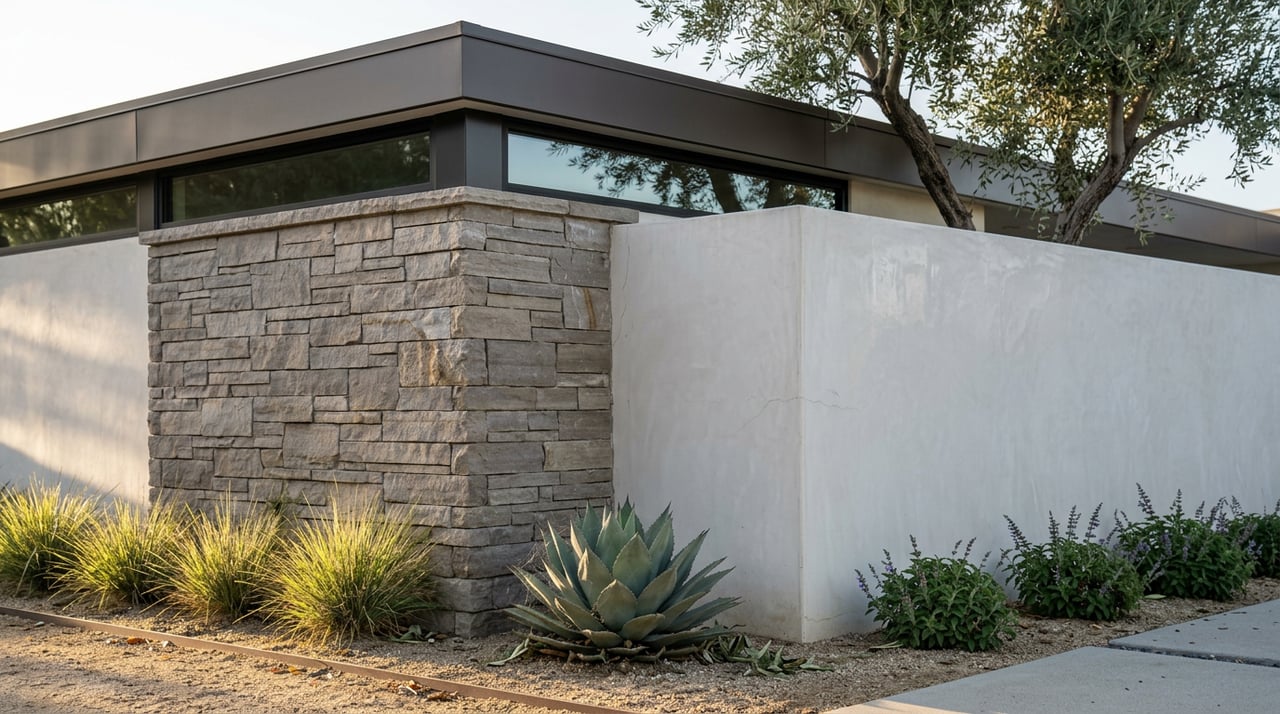
If you only tackle a few things before listing, start outside. Los Angeles-area Cost vs. Value data shows some of the strongest resale returns come from exterior-facing projects, including steel entry door replacement, garage door replacement, manufactured stone veneer, and siding updates.
That does not mean every seller should start a major exterior project. In many cases, a simpler front-yard and entry refresh is the better first move.
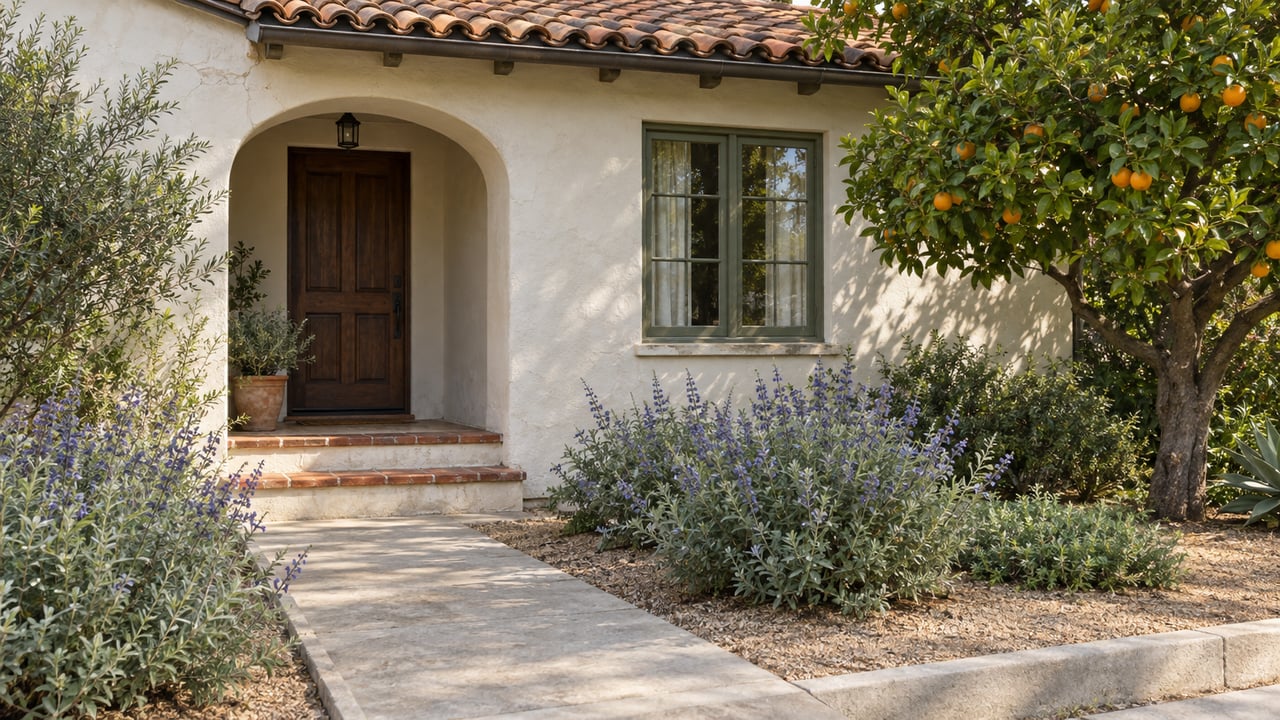
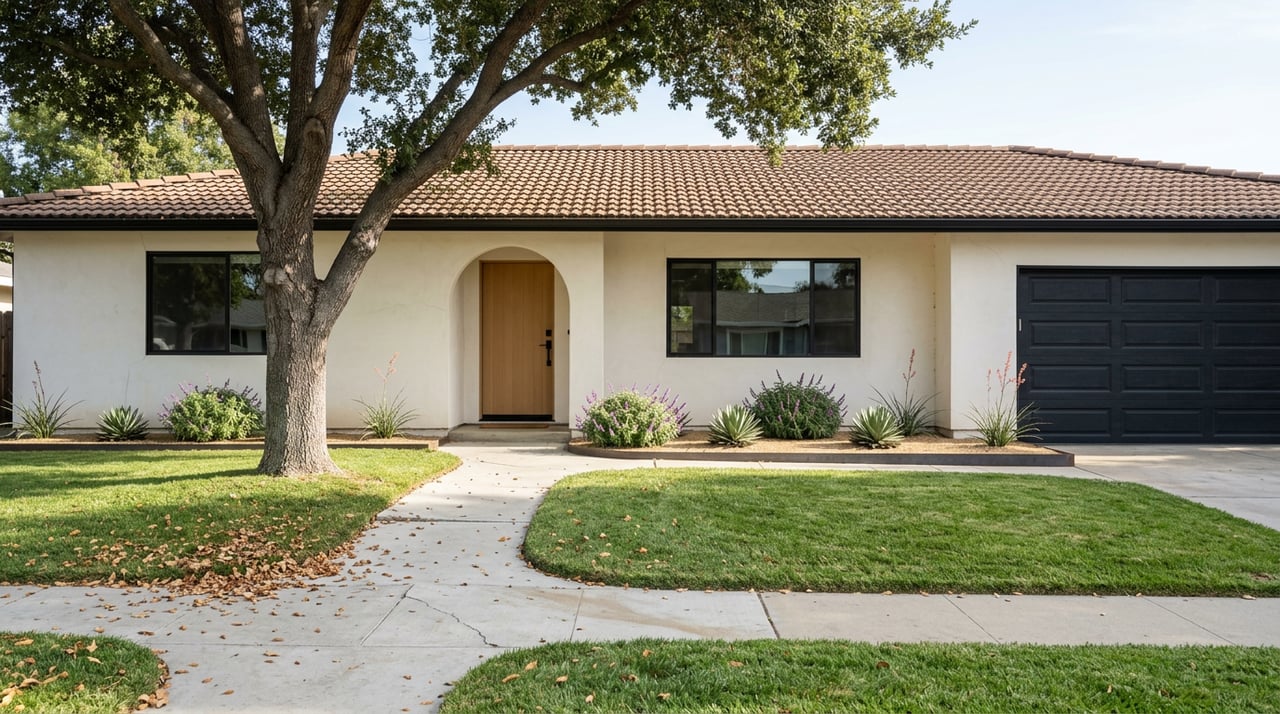
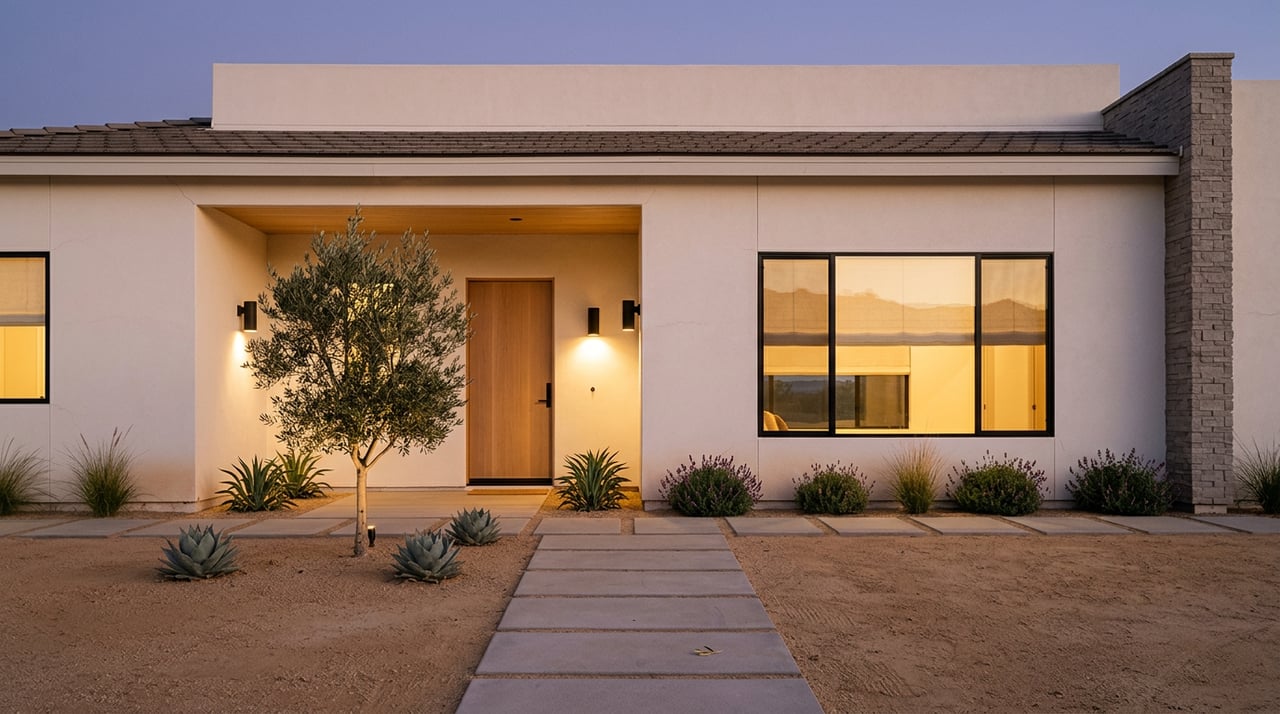
Your front door area sets the tone for every showing. Buyers often decide how well a home has been cared for before they ever step inside.
A strong pre-listing refresh may include:
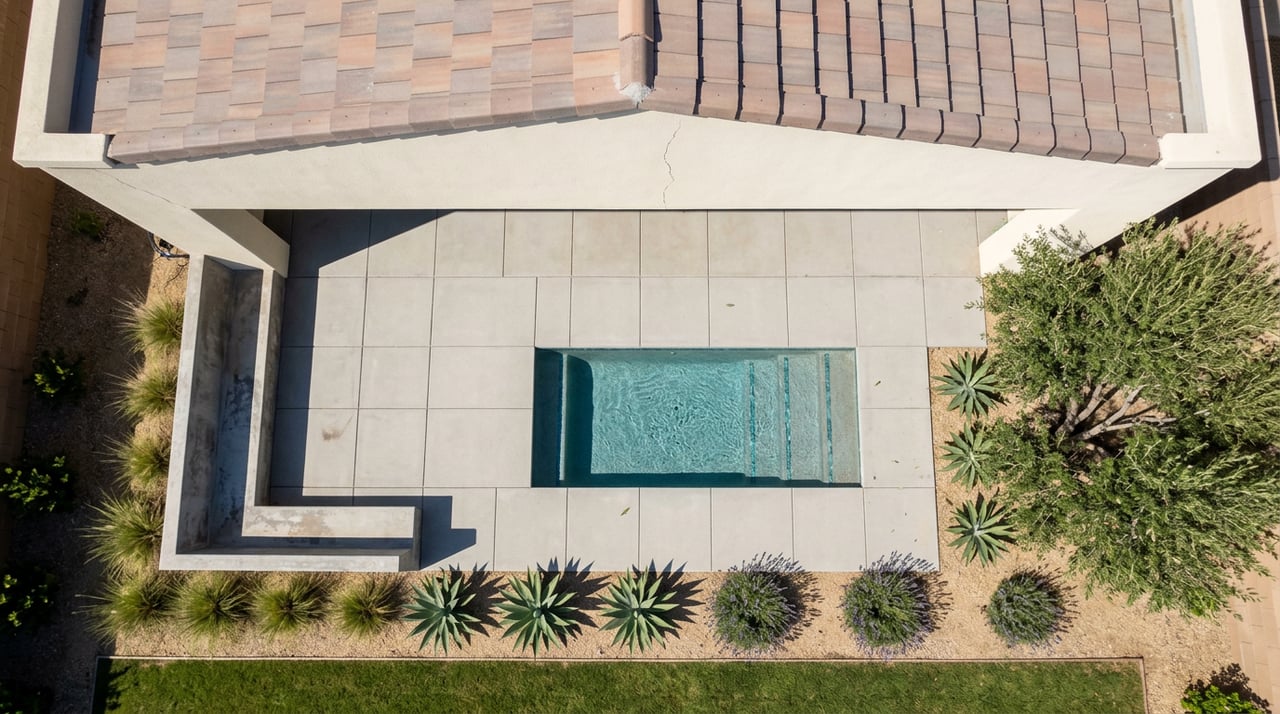
Claremont’s landscape standards also support well-maintained yards, low-water planting, and efficient irrigation. If your yard looks neglected, buyers may assume the same about the rest of the property.
Not every landscape or exterior update is a quick cosmetic project. Claremont notes that major landscape changes are reviewed by the Planning Division and Architectural Commission, and the City’s design review process can apply to exterior modifications and changes in site features.
That means your first step should be checking the scope before starting anything significant. A thoughtful cleanup and repair plan is usually safer than rushing into a bigger project without confirming local requirements.
One of the most practical seller upgrades is also one of the least glamorous. Worn paint, tired flooring, and obvious deferred maintenance tend to stand out because buyers read them as condition issues, not small cosmetic flaws.
NAR reported that 27% of consumers remodel to upgrade worn-out surfaces, finishes, and materials. For sellers, that is a clear signal to handle the basics before the listing goes live.
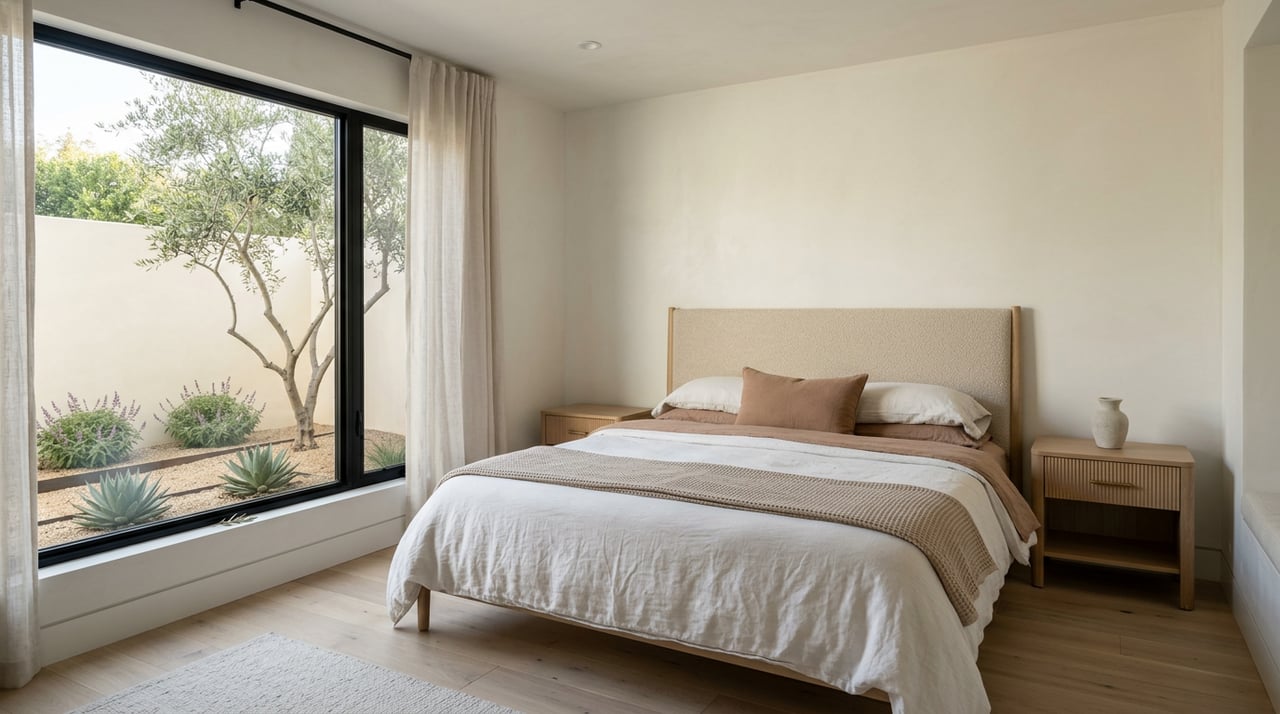
You will usually get the most value from improvements that make the home feel clean, fresh, and move-in ready. These often include:
NAR’s 2025 Remodeling Impact Report also says REALTORS® most often recommend painting the whole home, painting one room, and new roofing before listing. That lines up with what many Claremont sellers need most, which is not a dramatic redesign, but a visible-condition reset.
Kitchens and bathrooms matter, but full luxury remodels are not always the smartest pre-listing move. In Los Angeles-area Cost vs. Value data, a midrange minor kitchen remodel showed stronger cost recoup than an upscale major kitchen remodel. A midrange bath remodel also performed far better than many upscale projects.
For most sellers, that points to selective updates instead of a full teardown. You want spaces that look bright, clean, and consistent with the home, not overly customized for one taste.
Smaller improvements often do more for marketability than a full renovation. Good pre-listing choices may include:
The key is coherence. Buyers respond well when finishes feel intentional and cared for, even if they are not brand new.
Visible deferred maintenance can undercut all your cosmetic prep. If buyers see signs of roof wear, damaged wood, peeling paint, or neglected systems, they may start estimating future costs and adjust their offers accordingly.
That is why repair-first thinking often beats design-first thinking. In Los Angeles-area Cost vs. Value data, an asphalt-shingle roof replacement recouped far better than many large upscale remodels.
Before listing, it makes sense to review:
In a higher-expectation market like Claremont, these issues can affect how buyers view the entire home.
This point matters even more if your home has historic or character-rich features. Claremont’s design guidelines say alterations should minimize changes to distinctive materials, avoid inauthentic additions, and repair deteriorated features rather than replace them when possible.
That means the cheapest replacement is not always the best pre-listing decision. A repair that preserves the home’s original look may support stronger buyer appeal than a quick swap that feels out of place.
If your home has original woodwork, distinctive windows, period materials, or other character elements, think carefully before removing them. Claremont’s guidance emphasizes compatibility with the property’s historic materials, features, size, scale, and massing.
In practical terms, that means thoughtful repairs often make more sense than rushed modernizations. Buyers drawn to Claremont often notice authenticity.
It is easy to assume a bigger project will bring a bigger payoff. The data suggests otherwise.
In Los Angeles, upscale major kitchen remodels, upscale bath remodels, primary suite additions, and upscale bath additions all recouped much less than many targeted refreshes. If you are preparing to sell soon, that makes large custom projects harder to justify.
Before listing, sellers should usually think twice about:
A polished, well-maintained home usually performs better than a partly finished vision project.
If you want to prep your Claremont home efficiently, sequence matters. Start by confirming whether any planned exterior or site changes could trigger design review, planning review, or historic considerations.
Then focus your budget where buyers will see it immediately. That usually means visible repairs first, then paint and flooring, then curb appeal and kitchen or bath touch-ups.
Use this order as a starting point:
This approach fits both the local market and Claremont’s design standards. It also helps you avoid overspending on projects that may not improve your return.
When you are preparing a home for sale in Claremont, the goal is not to make it look like every other listing. The goal is to present it as well cared for, visually appealing, and true to its setting. That usually means investing in condition, curb appeal, and selective refreshes that help buyers feel confident the moment they arrive.
If you want practical guidance on which updates are worth it before you list, Carlos & Pat Samuelson and Associates can help you evaluate your home with a local, ROI-focused perspective.

Whether you're a first-time buyer, a seasoned investor, or looking to sell, you can trust Carlos and Pat to go above and beyond to achieve your goals. Your real estate journey deserves experts who care. Let Carlos and Pat Samuelson guide you to success!