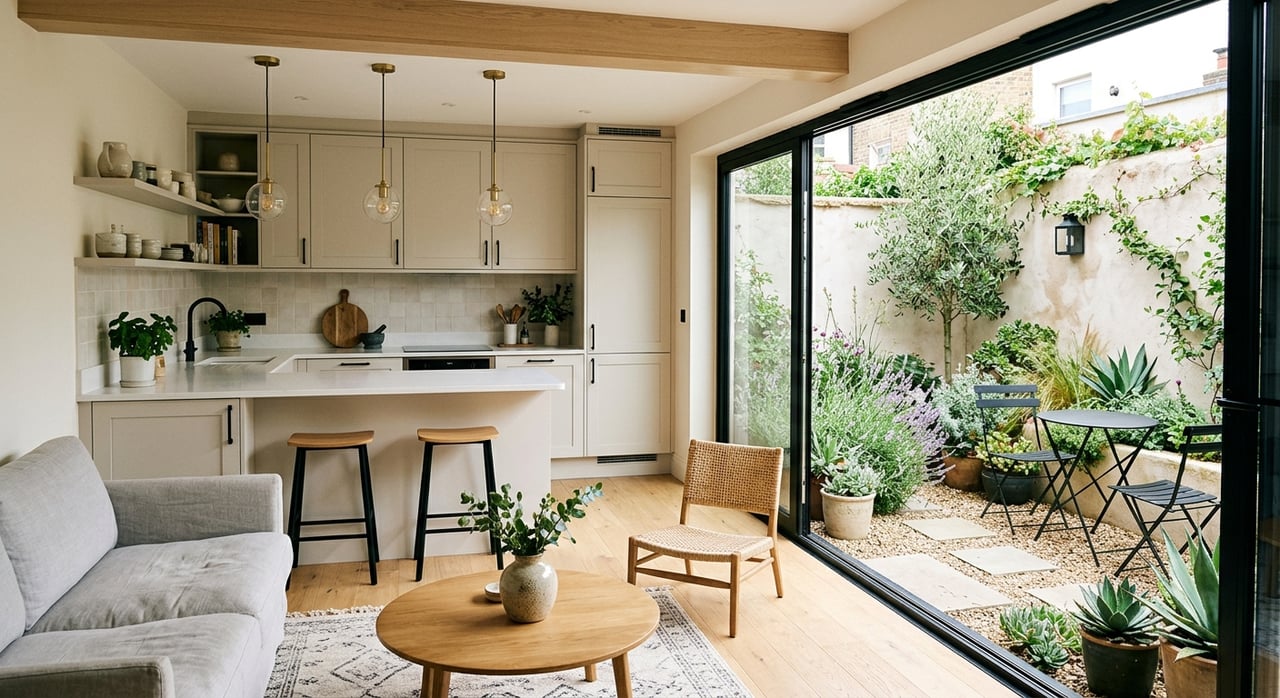
Right-Sizing In Claremont: A Guide For Downsizing Homeowners
July 16, 2026
July 16, 2026
Thinking about downsizing can feel simple in theory and surprisingly emotional in real life. If you love Claremont, the goal often is not leaving your community. It is finding a home that fits how you live now, with less upkeep, better daily convenience, and a plan that makes financial sense. This guide will help you think through right-sizing in Claremont, from housing options and lifestyle priorities to timing your move. Let’s dive in.
Claremont is a natural market for right-sizing because many longtime owners have built meaningful equity while also carrying high housing costs. Census data shows a 63.2% owner-occupied rate, a median owner-occupied home value of $897,000, and median monthly owner costs of $3,393 with a mortgage. Even owners without a mortgage face ongoing costs, with median monthly owner costs of $788.
Those numbers help explain why some homeowners start looking at a smaller or lower-maintenance property. The goal is often not just to reduce square footage. It is to simplify monthly expenses, free up equity, and choose a home that better supports the next stage of life.
Claremont also makes this transition easier because you may not need to leave town to make a smart move. The city offers single-family homes, condominiums, townhouses, and apartment living, along with a compact layout, historic Village area, parks, and community amenities that many residents want to stay close to.
Right-sizing is broader than downsizing. For some homeowners, it means moving from a larger two-story home to a one-story house with a smaller yard. For others, it means trading a detached home for a condo or townhome that requires less exterior maintenance.
In Claremont, right-sizing can also mean staying flexible. You might decide to remain in your current home longer, explore an accessory dwelling unit, or move to a property that keeps you near the places and routines you already enjoy.
The key is to focus on fit, not just size. A well-planned move should support your budget, mobility, storage needs, and lifestyle.
A single-story home can be appealing if you want fewer stairs and easier daily movement. In Claremont, these homes may command strong interest because convenience matters to many buyers, especially those planning ahead.
If single-level living is high on your list, it helps to decide early where you are willing to compromise. You may accept a smaller lot, an older floor plan, or a higher purchase price in exchange for long-term comfort.
Condos and townhomes can be a strong fit if your main goal is reducing maintenance. Claremont’s housing mix includes attached options, and the city is also planning for more housing variety over time.
For many homeowners, this route offers a practical balance. You may keep ownership, stay in the same community, and spend less time on yard work or exterior upkeep. The tradeoff is that you need to look closely at HOA dues, rules, parking, and storage.
Claremont also identifies senior-specific apartment communities, including Mountain Village, Claremont Villas Senior Apartments, and Courier Place. These options may appeal if you want lower-maintenance living and easier access to community support.
This type of move is not right for everyone, but it can be worth considering if convenience is your top priority. For some homeowners, the ability to stay in Claremont while simplifying daily responsibilities is a major benefit.
If you are not ready to sell, an accessory dwelling unit may be worth exploring. The city permits ADUs on single-family and multifamily residential lots, and allows one ADU plus one JADU on a single-family lot.
An ADU cannot be sold separately from the primary residence, so it is not a substitute for a full move. Still, it can create flexibility for multigenerational living, guest space, or rental income while delaying a larger housing decision.
When homeowners begin right-sizing, they often start with bedrooms and square footage. In practice, daily-life details usually matter more once you have moved.
As you compare homes in Claremont, pay close attention to:
A smaller home that is easy to live in can feel better than a larger home that creates daily friction. That is especially true if your goal is more freedom and less upkeep.
If staying near the Claremont Village is important to you, parking should be part of your decision. The city notes that much of the storefront area uses short-term parking, while longer parking is concentrated in public lots and the Metrolink lot.
That does not mean Village-area living is inconvenient. It means you should look closely at garage space, how easy it is to unload groceries, where guests will park, and how often you plan to drive versus walk.
One of Claremont’s strengths is that it offers several local mobility options. The city lists Access Paratransit, AgingNext Ride and Go, Claremont Dial-a-Ride, Foothill Transit, Get About for registered seniors age 60 and older, and Metrolink service from the Claremont station.
For homeowners who want to drive less, these services can make a real difference. They also support the idea that right-sizing is not only about the home itself. It is also about how easily you can stay active and connected.
The city is also developing an Active Transportation Plan aimed at making Claremont more walkable, bikeable, and transit-oriented. That forward-looking approach may matter if you are choosing a home for the next decade, not just the next year.
Many longtime owners want to right-size without leaving Claremont because the city already fits their routine. Claremont offers parks throughout the city, and Claremont Hills Wilderness Park includes a five-mile walking loop and smaller trails at the base of the San Gabriel Mountains.
There is also a strong senior-services network. The Joslyn Center hosts the Claremont Senior Program, weekday lunches, activities, social-resource referrals, and Medicare counseling support through HICAP. The city’s housing and social resource programs also reinforce that older residents have local support as needs change.
This is one of the biggest questions in any right-sizing move. The right answer depends on your finances, timing, and comfort with uncertainty.
Selling first usually gives you the clearest picture of your proceeds. That can make budgeting easier, especially in a market where home values and monthly ownership costs are already high.
Buying first can reduce the risk of being between homes if the right replacement property appears quickly. It may feel less disruptive, but it also requires careful planning so you understand how the numbers work before your current home sells.
For many California homeowners age 55 and older, Proposition 19 is a key part of the planning conversation. The State Board of Equalization says eligible homeowners age 55 and older, severely disabled homeowners, and victims of wildfire or natural disaster can transfer a principal residence’s taxable value to a replacement primary residence anywhere in California. The benefit can generally be used up to three times.
Timing matters. The Board of Equalization says you may buy the replacement home first and still qualify if your original home sells within two years. It also notes that the value test changes depending on whether the replacement home is bought before the sale, within one year after the sale, or within two years after the sale.
The claim is filed after both transactions are complete and after you are living in the replacement home. It is filed with the assessor in the county where the replacement home is located.
Because the sequence can affect both logistics and taxes, it helps to plan early. A thoughtful strategy can reduce stress and help you avoid rushed decisions.
A common mistake is focusing only on how much you will spend or receive at closing. Your monthly cost picture matters just as much.
As you compare options, review:
A condo with a higher HOA may still be the better fit if it lowers your maintenance burden. A detached home may feel familiar, but a larger yard or more repairs can add costs that are easy to underestimate.
Before you make a move, try to define what matters most to you now instead of what worked ten years ago.
Ask yourself:
Clear answers to these questions can make your next step feel much less overwhelming. They also help you separate emotional attachment from practical decision-making.
Right-sizing in Claremont is rarely about giving something up. More often, it is about choosing a home that supports the life you want next while staying connected to a community you already know and love. If you are weighing whether to sell, buy, or explore a lower-maintenance option in Claremont, Carlos & Pat Samuelson and Associates can help you evaluate your options with local insight and a practical plan.


Whether you're a first-time buyer, a seasoned investor, or looking to sell, you can trust Carlos and Pat to go above and beyond to achieve your goals. Your real estate journey deserves experts who care. Let Carlos and Pat Samuelson guide you to success!