Cosmetic Fixer Or Full Rehab In Upland?
June 4, 2026
June 4, 2026
Wondering whether a Upland home is a simple cosmetic fixer or a true full-rehab project? That question matters more than most buyers realize, because the difference can affect your budget, your timeline, and how much risk you take on after closing. If you are trying to spot the line before you make an offer, this guide will help you read the clues in photos, disclosures, inspections, and permit history with more confidence. Let’s dive in.
In Upland, the easiest way to think about the difference is this: surface updates usually point to a cosmetic fixer, while system changes usually point to a full rehab. The City of Upland treats finish-only work like painting, papering, tiling, carpeting, cabinets, countertops, and similar finish work as permit-exempt.
Once a project moves into remodels, alterations, repairs, re-roofs, window and door replacements, shower or tub enclosure replacements, HVAC change-outs, repipes, or other system changes, it usually requires permits. That shift is a strong signal that you are no longer looking at a light update.
If the home mostly needs fresh finishes and same-room replacements, it is closer to cosmetic. If the work touches plumbing, electrical, HVAC, walls, layout, roofing, or hazard remediation, it is much closer to a full rehab.
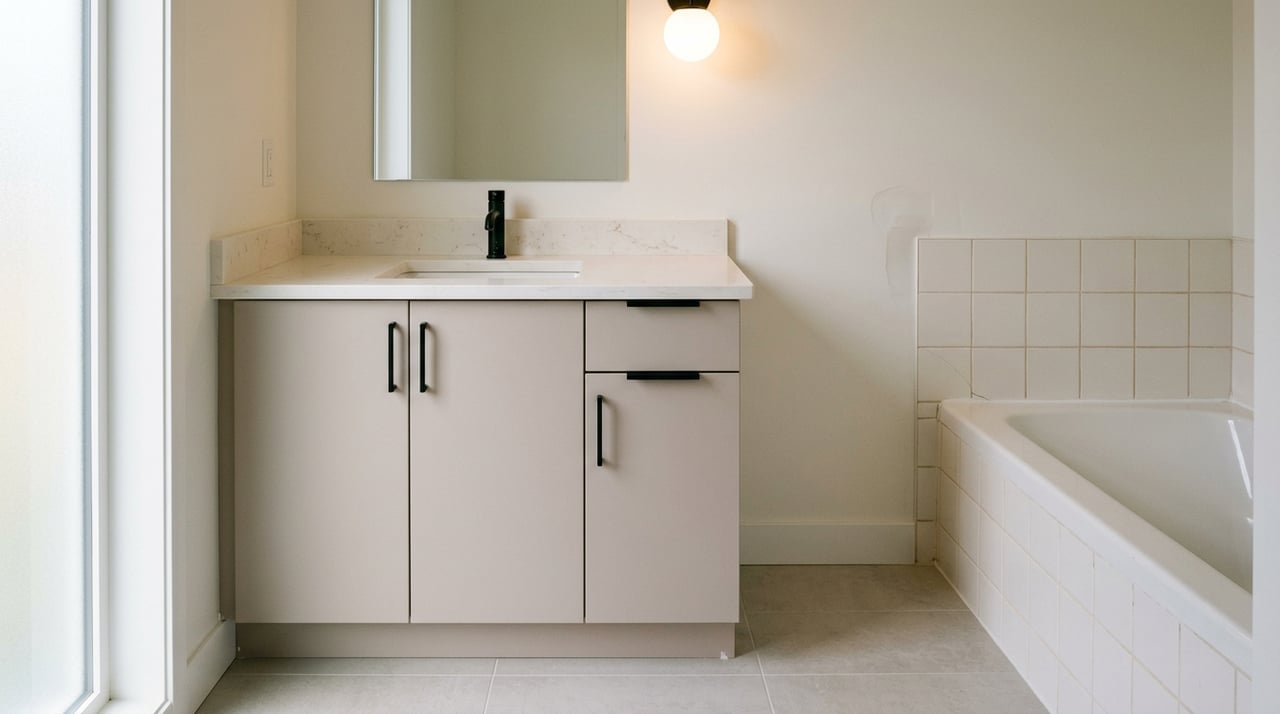
Photos can give you a useful first read on scope, even before you tour the property. A home that shows fresh paint, updated flooring, refaced cabinets, new counters, and the same basic room layout often fits the cosmetic fixer category.
By contrast, photos that suggest a moved kitchen, removed walls, relocated sinks or appliances, or a gutted bathroom usually point to more extensive work. Those details matter because layout and systems changes often involve multiple trades, permits, and a larger repair budget.
That does not mean photos tell the whole story. They simply help you know what questions to ask next.
In California, sellers of single-family residential property must provide a Transfer Disclosure Statement before transfer or before execution. According to the California Department of Real Estate, that disclosure covers the property’s physical condition and hazards, while the agent also has a duty to visually inspect and disclose readily observable defects.
For buyers, this is a key part of sorting cosmetic from structural or system-related issues. Fresh finishes may look appealing, but disclosures can reveal roof concerns, leaks, repairs, or other conditions that are not obvious in listing photos.
Timing matters too. If a required disclosure or material amendment is delivered after your offer is signed, you may have a limited right to terminate within 3 days after in-person delivery or 5 days after mail or electronic delivery.
A Natural Hazard Disclosure can add important context when you are sizing up rehab risk in Upland. It may identify earthquake fault zones, seismic hazard zones, high fire hazard severity zones, or special flood hazard areas.
If you are considering an older home, lead-based paint rules also deserve attention. Most pre-1978 housing comes with lead disclosure requirements, and paid renovation, repair, or painting work that disturbs painted surfaces generally must use lead-safe certified firms and trained workers.
That is one reason a project that looks minor at first can become more expensive once work begins. A visually modest update in an older property can trigger lead-safe work practices if painted surfaces are disturbed.
One of the smartest steps you can take in Upland is to review permit history by property address through the city’s online Building and Safety system. This is especially helpful when a home appears to have been recently updated.
If you see visible upgrades like replaced windows, remodeled bathrooms, HVAC changes, or major kitchen work, permit history may help confirm whether the work was done with city approval. Missing permits are not automatic proof that something is wrong, but they are a clear reason to ask follow-up questions and request more documentation.
This step can help you avoid confusing polished presentation with truly completed rehab work. It also helps you understand whether the home is more likely to be a cosmetic refresh or a larger project with system changes behind the walls.
Even if a home looks clean and updated, you still need an independent inspection. The Consumer Financial Protection Bureau recommends scheduling a home inspection as soon as possible and using an independent inspector who can provide a complete and honest assessment of the home’s physical condition.
A general home inspection is valuable, but it has limits. The American Society of Home Inspectors explains that an inspection is a visual review of accessible systems and components, not a technically exhaustive investigation.
That means an inspector may identify signs of concern, but they usually do not price the fix, confirm hidden conditions, or provide a full code analysis. In other words, an inspection helps define the problem, but not always the final cost.
Once an inspection points to needed work, contractor bids help you turn general concerns into actual numbers. The California Contractors State License Board recommends getting at least three written bids based on the same plans, specifications, and scope.
That apples-to-apples approach matters because rehab costs can vary widely. CSLB also warns against bids that are abnormally low, which can be a sign that something has been missed or underpriced.
For a multi-trade remodel, such as a kitchen with plumbing, electrical, and carpentry work, CSLB says a licensed B general building contractor is usually the right lead. Upland also recommends using an appropriately licensed California contractor, although homeowners may act as owner-builders.
The jump from cosmetic to full rehab is often clearest in the budget. National cost benchmarks show how quickly costs rise once a project moves beyond finishes.
For kitchens, minor remodels run about $10,000 to $20,000, major remodels about $20,000 to $65,000, and complete remodels about $65,000 to $130,000 or more. Kitchen remodels also commonly fall around $75 to $250 per square foot.
For bathrooms, basic remodels range from about $2,500 to $30,000. Guest bathrooms often run about $5,600 to $20,000, while primary bathrooms often fall around $8,400 to $30,000.
For larger projects, whole-house renovation guidance places an average 1,250- to 1,600-square-foot renovation at about $52,134, with many whole-home projects running roughly $15 to $60 per square foot before premium finishes push costs higher. These numbers are broad benchmarks, but they show why system-heavy work deserves extra caution.
If you want a practical way to classify a property, use this rule: cosmetic fixer means finish work, same-room replacements, and light updating; full rehab means walls, layout, plumbing, electrical, HVAC, roof, windows, doors, or hazard-related work.
In Upland, the permit rules and the likely cost curves point in the same direction. The moment a home appears to involve multi-trade systems work, you should slow down and build in more due diligence.
That usually means checking permit history, reviewing disclosures carefully, ordering inspections early, and getting contractor bids before you get too far down the road. It is a simple process, but it can save you from turning a promising purchase into an expensive surprise.
Condition matters to buyers more than ever. The 2025 Remodeling Impact Report notes that Americans spent an estimated $603 billion on remodeling in 2024, and 46 percent of buyers are less willing to compromise on a home’s condition.
That helps explain why even cosmetic improvements can have real appeal when the home is otherwise sound. Updated kitchens and new roofing also rank among projects with strong buyer interest, which means finish work still has value when the larger systems are in good shape.
The key is knowing what you are actually buying. A well-presented home with only finish updates is very different from one that needs deeper work behind the walls.
In Upland, the cosmetic-versus-full-rehab question is less about style and more about scope. New paint and counters may be straightforward, but once a property involves permits, multiple trades, or hidden system issues, your budget and timeline can change fast.
That is why local knowledge matters. When you combine listing review, disclosures, permit research, inspections, and contractor bids, you can make a much clearer decision about whether a property fits your goals, your risk tolerance, and your renovation plan.
If you are weighing a fixer in Upland and want practical guidance grounded in local market knowledge and real renovation experience, connect with Carlos & Pat Samuelson and Associates for trusted insight before you commit.






Whether you're a first-time buyer, a seasoned investor, or looking to sell, you can trust Carlos and Pat to go above and beyond to achieve your goals. Your real estate journey deserves experts who care. Let Carlos and Pat Samuelson guide you to success!